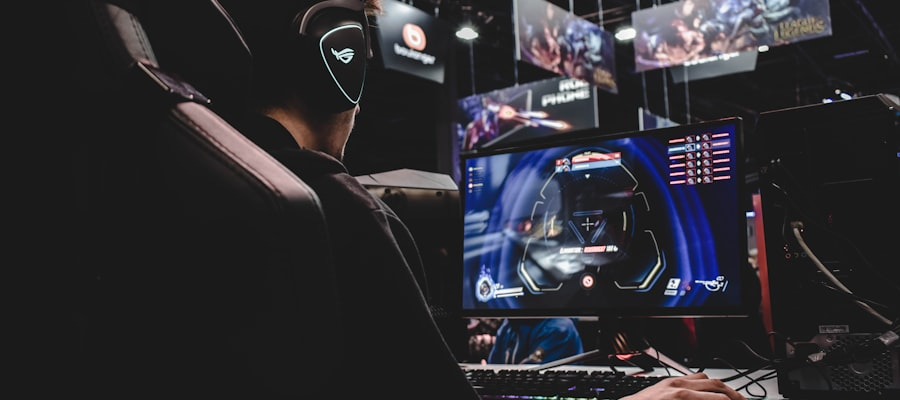
The Vote That Changed the AI
You voted for a harder difficulty, and we shipped it. The AI got smarter. New attack patterns are live. Wins feel earned now. We kept it fair too. No cheap deaths, no unfair edges, just skill. Your call, your challenge, your win.
We started with the AI. It used to react after you acted. That made fights predictable. You could bait a shot and punish the recovery. Now the AI reads your movement. It anticipates a typical strafe. It holds fire when you try to bait. That changes the flow of every encounter.
We added new attack patterns, not just stat bumps. Enemies now coordinate in pairs. One flanks while the other pins you down. In the campaign, that means smarter push sequences. In RUSH, wave timings shift based on your position. You can't camp a corner and spray anymore.
We tested it on our own machines first. All three of us died a lot. That was a good sign. We wanted the difficulty to come from decisions, not from bullet sponges. So we kept the health values close to where they were. The challenge is in the behavior, not the numbers.
It took two weekends to retune the AI logic. We cut some ideas that were too punishing. One was a grenade that tracked your last known position. That felt cheap. You wouldn't know how to avoid it. We scrapped it and kept the flanking behavior instead.
This update is our answer to the question of whether indie game development is worth it. When you see the community vote shape the game, that's the payoff. We're small, we're student-run, but we can move fast when the ideas come from you.
Keeping It Fair Without Going Easy
We knew harder difficulty could turn into frustration. So we set rules. No unfair damage spikes, no hits you can't avoid, no input reading. If you die, it's because you made a mistake you could have seen coming. That's the bar.
We track every death. We looked at the data from the first week of the new AI. Cheap deaths were down. Most deaths came from a clear sequence: you rushed a corner, the AI was already repositioning, you got caught in a crossfire. That's on you, not on us.
We also adjusted the reward side. Harder fights give better drops. In the campaign, you earn more credits on harder difficulty. In RUSH, high wave multipliers apply to the new AI. That means the risk pays off. It respects the time you put in.
We kept the casual mode intact. You can still drop the difficulty back if you want a relaxed run. But the default experience is the one you voted for. And we added a new title for beating the campaign on the new difficulty. It's a small thing, but it's proof that you took the challenge.
Fairness also means communication. The patch notes listed every AI change. We told you what to expect. No hidden buffs. You can read exactly what the AI does now. That transparency is part of the studio. We don't hide the numbers.
This is how we handle indie game development for beginners. We're learning as we go, and we're sharing the process. You get to see how a balance pass works, and you get to feel it in the game.
Why This Is Your Win, Not Ours
This difficulty update is a direct result of the idea board. You pitched it, you voted for it, and we shipped it. That's the loop that makes The Agency feel different. Your vote is the roadmap. We just do the building.
When we see engagement spike on the forums, we know it's because you feel ownership. This isn't a product we're pushing at you. It's a game we're making with you. That's why we keep the voting one per player. It's simple and it's hard to game. The ideas that win are the ones that actually matter to the people playing.
So when you play the new difficulty and you finally beat a mission that wrecked you all week, that's not our victory. That's your skill. We just made the obstacle worth overcoming. We gave you a reason to come back, to learn the patterns, to improve.
This is the answer to anyone asking whether indie game development is worth it. It's worth it when the community is this engaged. We're not making a game for a nameless audience. We're making it for the people who tell us what they want. That's the whole point.
We're also thinking about indie game development in 2025 and beyond. Player-driven roadmaps are going to be a bigger deal. We're ahead of that curve, but we're not bragging. We're just showing that a small team can do it if the players trust them.
For anyone looking for indie game developers for hire, this is the kind of community-minded approach you want in a partner. We're not just cranking out code. We're listening. We're shipping what gets voted.
The new difficulty is live now. Play it. Prove you're as good as you think you are. And when the next idea board opens, vote for something that scares you a little. We'll do the rest.