The Tweet That Stopped Our Version
We pushed a patch on Tuesday morning. By Wednesday, a short clip was making the rounds: two players, same lobby, one spawns six seconds after the other. The timestamp on the reply said it started right after our update. We were already tracking a different bug, but the video made us look closer.
We pulled the version. The tweet pointed at a timing issue in our matchmaking handshake. We thought we'd fixed it two weeks ago, but the code we rolled back had a race condition that only showed up with specific server loads. The clip forced us to check what we'd skipped. It was a real bug, not a lag spike on the player's side.
So we spent the day digging through the netcode. We found a second issue: a leftover debug flag that was slowing down session assignment. The tweet didn't show the cause, but it made us trace the whole path. By Thursday night, we had a proper fix ready. That delay meant we didn't ship a half-broken matchmaking system with a band-aid on top.
The lesson wasn't about the code. It was about listening to the people who actually play. The tweet gave us a concrete symptom, and we followed it to the root. It delayed the update by a day, but it kept the game stable for everyone.
We're not going to pretend we spotted it on our own. The clip did what a hundred logs couldn't: it showed the problem from the player's seat. That's why we're sharing this. Your report changed what we shipped, and that's worth a day of waiting.
Why Your Reports Beat Our Logs
Our servers log everything, match start times, ping, packet loss. But logs don't tell us how a delay feels. A 300ms spawn lag on paper looks like a rounding error. In a match, it means you're dead before you can shoot back. The tweet made that gap obvious.
We build games for you, not for our dashboard. So when you post a clip or write about a weird moment, we treat it as data. It doesn't matter if you're on a school laptop or a desktop with fiber. What matters is that you cared enough to share it.
That tweet changed our priority list. We had a graphics toggle planned for the next patch. We moved that down and fixed the spawn issue instead. No vote on the idea board required, your report was the vote. This is how good online games should work: the player's experience drives the roadmap, not our calendar.
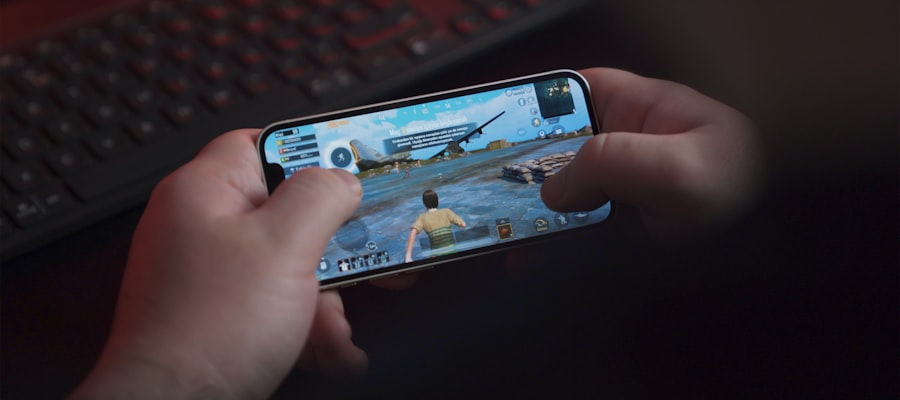
And it's not just us. When we see comments from players on Android or PC, we check if the issue is platform-specific. The tweet was from a PC player, but we tested on Android and a browser too. We have to, because a fix that only works on one platform isn't a fix.
So when you report something, you're not being negative. You're helping us make the game better for everyone. We'd rather delay a patch by a day than ship something that ruins your evening.
What Changed After the Delay
After we fixed the race condition, we added a dry run test that simulates server overload. It's not a full load test, but it catches the kind of timing issue the tweet exposed. We also cleaned up that debug flag and made the matchmaking handshake more forgiving when a player's connection stutters.
You'll notice the difference in the next matches. Lobbies fill faster, and the countdown doesn't drag. We also put a small note in the patch changelog crediting the player who posted the clip. They didn't ask for it, but it felt right.
That update shipped a day later than planned. In return, we got a stable matchmaking system instead of a frustrated player base. The numbers went up after the fix, not because we hyped it up, but because the game stopped wasting your time.
We also saw a side effect we didn't expect. Players started posting more clips, because they realized we actually read them. One second video turned into a thread about a reload animation, and that's a small fix for a future patch.
This isn't a one-time thing. Every report goes into a public channel on our Discord, and if it's a real problem, it becomes part of the next sprint. The tweet didn't just fix one bug; it changed how we handle feedback.
The Unseen Cost of a Quick Patch
Our first instinct was to ship a hotfix the same day. It would have covered the symptom, but it would have left the root cause in place. That's the dangerous path. Look at other online games: you get a patch that fixes one thing and breaks two others. We didn't want to be that studio.
So we held the update. The team worked late, but we tested the fix against multiple scenarios. We ran matches with high ping, low ping, and sudden disconnects. We saw where the old code failed and where the new one held.
The cost wasn't just time. It was admitting we had a bug we didn't know about. That's humbling, but it's also how we get better. When we release, we want you to be able to play without thinking about the tech, not just jump through a hoop.
Now, we're more careful about what we ship. If a change affects matchmaking or spawn points, we double-check it with fresh eyes. The tweet taught us to look at the player's angle first, not just the server's.
We'd rather miss a feature deadline than ship something that feels broken. That's a trade-off we'll make every time. Your time is worth more than our release schedule.
How to Make Your Reports Count
You don't need a fancy rig or a detailed bug report to help. A short clip from your phone or a two-line description is enough. We scan the community board, Discord, and Twitter every day. If it's about a specific moment, we can find it in our logs.
Here's what makes a report useful: mention the mode you were playing, the time of day, and what you expected to happen. The tweet had all three. It showed the map, the lobby count, and the spawn delay. That's more than most QA logs we get.
We also look at positive comments. If you say a match felt good, that tells us a patch worked. If you say a loadout is fun, we keep it. The idea board is for features, but the comments are for tuning.
Don't worry about sounding negative. This is broken is not a complaint; it's a signal. We've shipped fixes based on four-word messages. The community is part of the dev team, whether you like it or not.
And if you're on a school laptop or a phone, our browser version works on any modern device. You can jump in, test a feature, and tell us what happened. That's the best kind of playtesting.