What is indie game dev? Building a game that listens to its players
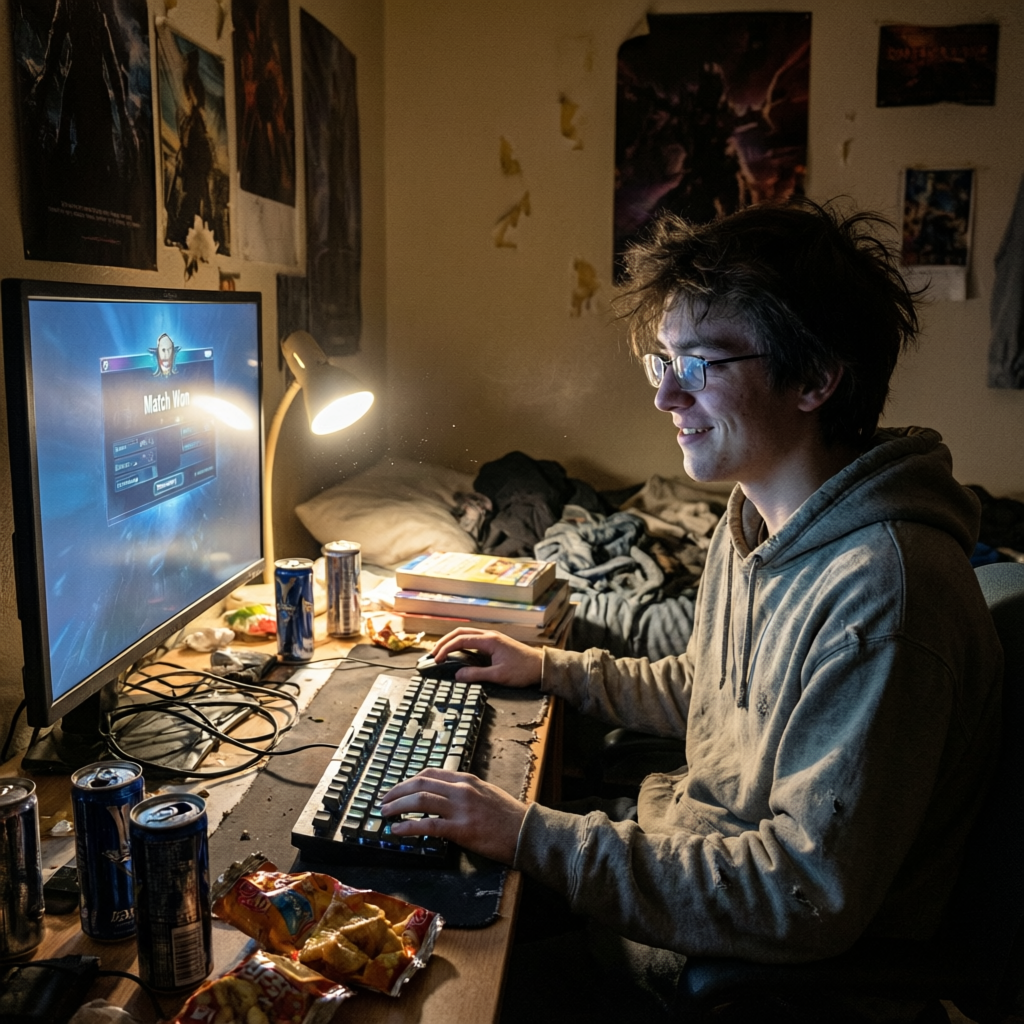
You know that match where you died behind every wall? We do. Last week a player went 0-12, and that session became our most valuable data all month. It exposed a 3-frame delay in our hit registration system, a flaw our tests never caught. That's what indie game dev means: building a game that listens, not just ships. For us, it's about catching those moments when the game lies to the player.
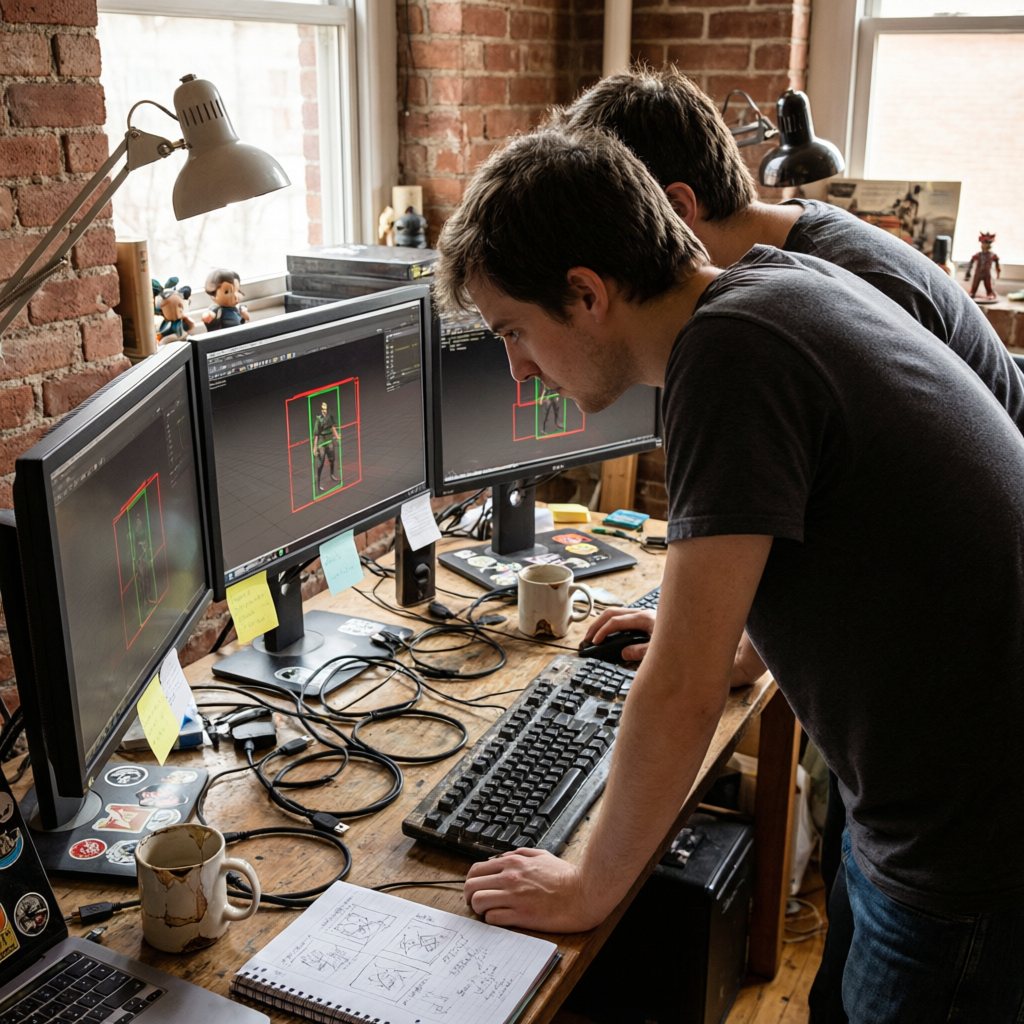
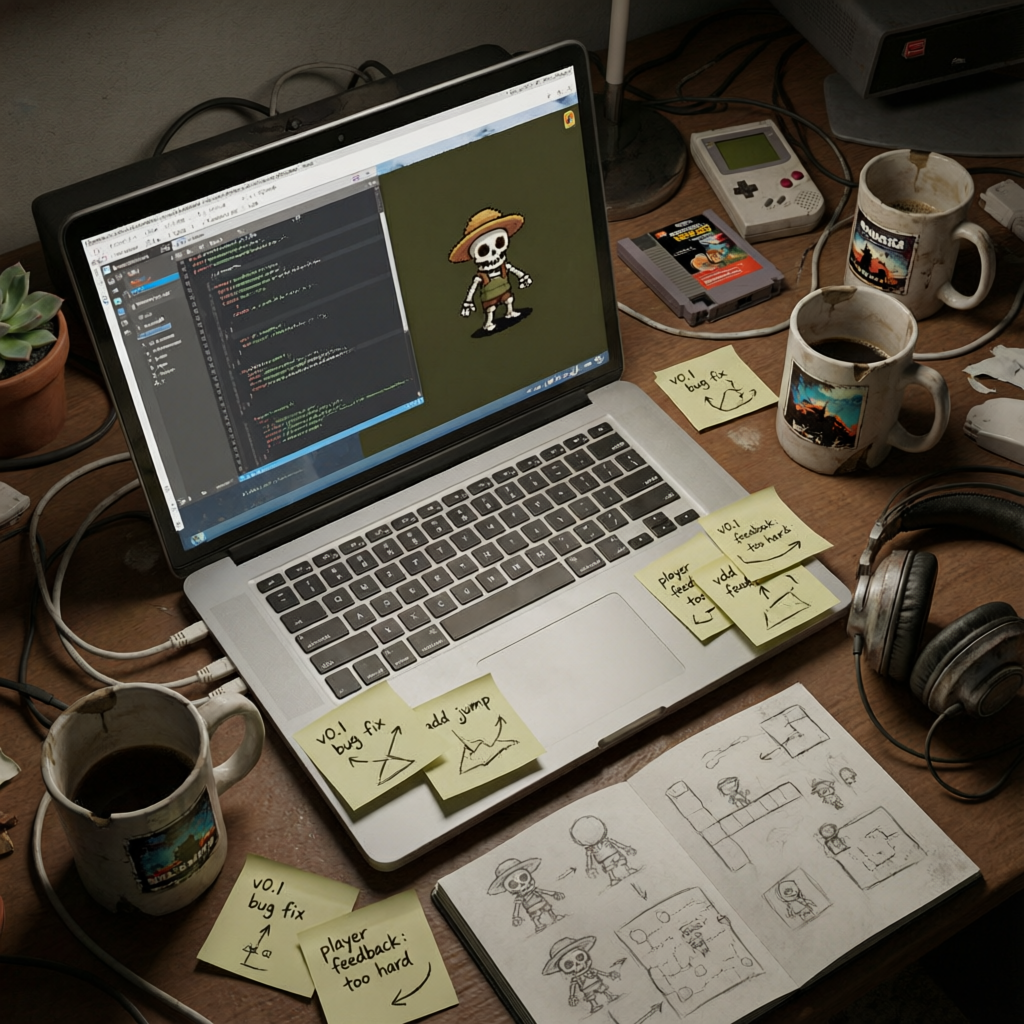
Our small team at Inferna Studio runs on player feedback, not focus groups. When someone gets frustrated, we don't shrug. We dig into logs, replay matches, and fix what's broken. That 0-12 game showed us exactly where the hitboxes desynchronized. We patched it within 48 hours. Next time you play, your shots land where you aimed. No more deaths behind cover.
This is the raw reality of indie game dev. It's not flashy trailers or corporate roadmaps. It's a student team in Tunisia, a free browser shooter, and a player's bad match turning into a concrete fix. No money, no installs. Just honest development. And that's why we keep the 2020 Classic build online too, so you can see how far we've come.
We don't hide our mistakes. We ship them, fix them, and tell you how. That transparency builds real trust. And it's why our community keeps growing. When you vote on the idea board, you're not just suggesting features. You're shaping a game that improves. Your junk match wasn't a waste. It was the clearest design flaw we needed to see.
The 3-frame gap: how a single match revealed our hitbox lag
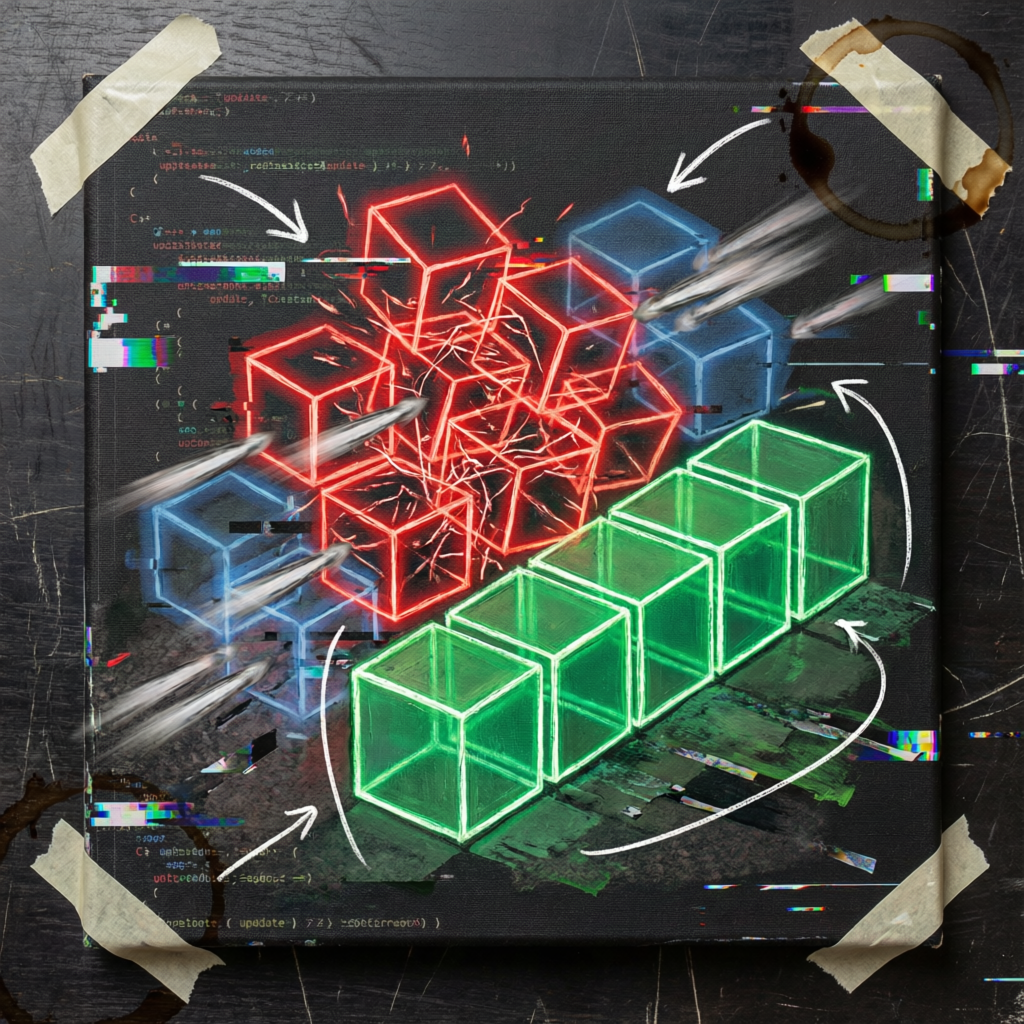
Hit registration in browser games is tricky. You balance server ticks, client prediction, and network latency. We thought our system was tight, until that 0-12 player kept clipping through walls after death. Their client showed shots hitting, but the server disagreed. The mismatch? Exactly three frames of delay between when a hit registered client-side and when the server accepted it. In a fast-paced shooter, three frames is a lifetime.
We traced it to a race condition in our hitbox update loop. When multiple players fired in the same tick, the server sometimes used stale collision data. The fix was a priority queue that forced real-time hitbox refresh every frame. It's a small code change, about 40 lines, but it makes a massive difference. Now the server always checks the latest position.
This is why we love browser games with continuous updates. The fix went live the same night we found the bug. Players who logged in next morning found hit registration noticeably sharper. Some even commented on the forums. That's the power of online games, no download needed, constant improvement without friction.
We're not trying to be the best indie developers of all time. We're trying to be the most responsive. And when a player's bad match teaches us something we missed in testing, we owe them a fast fix. That's what indie game dev is really about. Not perfection on day one, but constant iteration based on real data.
Brand equity comes from trust, and a patched hitbox speaks louder than any ad
When you ask what brand equity is and why it matters, most marketing experts talk about logos, slogans, and recognition. But for a student-run game studio with zero ad budget, brand equity is simpler: it's the trust you earn every time a player's feedback leads to a visible fix. Our brand isn't built on billboards. It's built on patching that 3-frame lag and telling the player who suffered it.
For the player who went 0-12, their next match might feel different. They'll notice shots connecting. They might even win a duel they'd have lost before. That positive experience creates a memory, a moment where the game respected their frustration. Over time, those moments stack up. That's real brand equity. It's why players recommend us to friends, upvote ideas on the board, and come back for more matches.
We use consistent visual identity for branding, but the real mark of our brand is the patch notes. When we ship a fix inspired by a single player's struggle, we name them in the changelog (with permission). That simple gesture turns a bug fix into a story. Stories travel further than logos. They're why someone who never played a browser shooter before might give The Agency a try.
Best indie developers like ConcernedApe or Toby Fox built their brands on similar trust. They listened, iterated, and never treated players as cash cows. We're nowhere near that level, but we follow the same principle. A 3-frame hitbox lag might seem tiny, but fixing it honestly sends a signal: we care about the actual experience. That's brand equity you can't fake. And it's exactly why our community's worst games become our best data.