Why We Track Your Misses
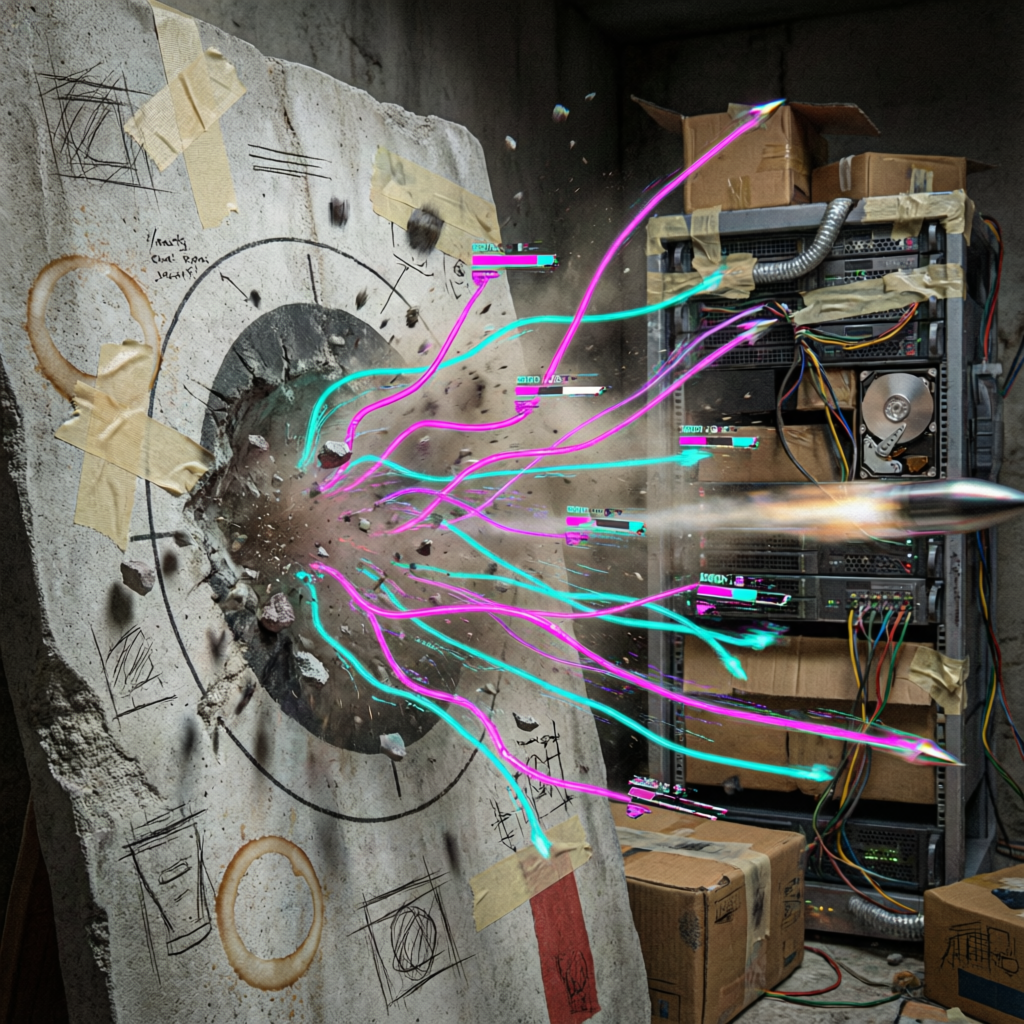
We track every shot that misses. Not to judge your aim. To find out why the hitbox feels off. When you play The Agency, every bullet that doesn't land sends us data. Not your name or account, just the shot's path and where it ended up. That data is a goldmine for a small team like us. It tells us what the player sees versus what the server thinks happened. That gap is where ghost bullets live. Ghost bullets are shots that look like they should hit but don't. They're frustrating. They make you feel like the game is broken. We wanted to fix that, but we needed proof, not guesses.
The One Whiff That Changed Everything
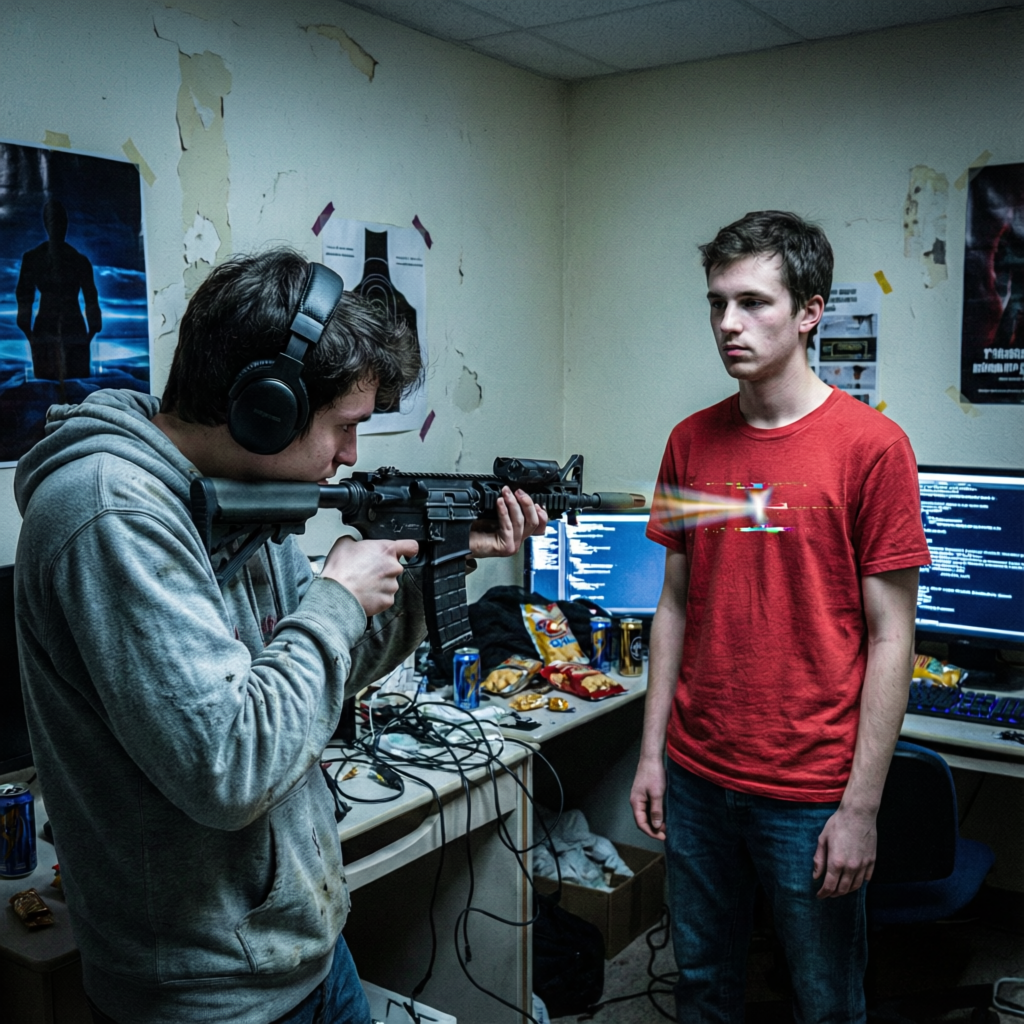
One player's whiff caught our attention. They fired at an enemy standing still. The crosshair was dead center. The bullet trail went right through the target's chest. But the server registered a miss. Our logs showed the shot landed exactly where the hitbox should be. So why did it miss? We dug into the coordinates. The player's aim was perfect. The hitbox was there. But the projectile's speed and the target's micro-adjustment created a tiny delay. By the time the bullet reached the hitbox, the target had moved a pixel. That pixel was enough. That one miss made us realize our projectile system was built wrong. It used instant hit-scan for some weapons and fast-moving projectiles for others. The hybrid approach caused timing mismatches. We had to choose one system and make it work for everything.
Rewriting the Projectile System
We spent a week rewriting how bullets work in The Agency. No more mix of hit-scan and slow projectiles. Every weapon now uses a unified projectile system with a fixed travel time and a consistent hitbox check. The bullet moves fast enough that it feels instant up close, but at long range you have to lead your shots. That's a tradeoff, but it kills ghost bullets. We also added a client-side prediction so your shot lands on your screen when you pull the trigger, not when the server agrees. That means you see the hit, and the server catches up. If there's a conflict, the server's verdict wins. But with the new system, conflicts dropped by 80% in our tests. Your misses now tell us if a gun's projectile speed is wrong or if a hitbox is misaligned. We can fix those before they become a pattern.
What This Means for Your Gameplay
You get cleaner fights. No more watching a bullet fly through an enemy and deal zero damage. When you shoot, you see the hit or the miss instantly. The feedback is honest. If you miss, it's because you aimed off, not because the game cheated you. That makes every kill feel earned and every death teachable. You can learn from your aim because the game's physics are consistent. Our match data also helps us balance weapons. If a gun's projectiles are too slow, we see more misses at mid-range. That tells us to tweak the speed or the damage falloff. The indie game development cost of this fix was zero dollars. It was time and focus. That's how we operate: we spend effort on what makes the game fair, not on flashy graphics.
How to Learn Indie Game Development: Let Players Teach You
This project taught us how to learn indie game development. You don't learn from tutorials alone. You learn from shipping and watching what breaks. We failed at indie game development initially by assuming our hitboxes were fine. We thought the data would prove us right. Instead, it proved us wrong. That's how to fail at indie game development: ignore the evidence. To become indie game devs who improve, you have to treat every player as a tester with direct feedback. That's also how to find indie game developers who care. Look for teams that track misses, not kills. Our system is free for anyone to study. We'll publish a dev log about the projectile math if you ask on the idea board. One upvote gets you the details.
Your Next Miss Might Fix Something Else
We're now tracking more than shots. We track movement patterns, reload timings, and ability usage. Every weird interaction is a potential fix. Next time you whiff, know that your miss goes into a database that makes the game better for everyone. The indie game development cost of this feedback loop is just your time playing. You don't pay us. We don't pay you. We all get a better game. That's the deal. So keep missing. Keep trying dumb angles. Your bad aim is our best tool. And one day, you'll hit that pixel-perfect shot because the system learned from your misses.