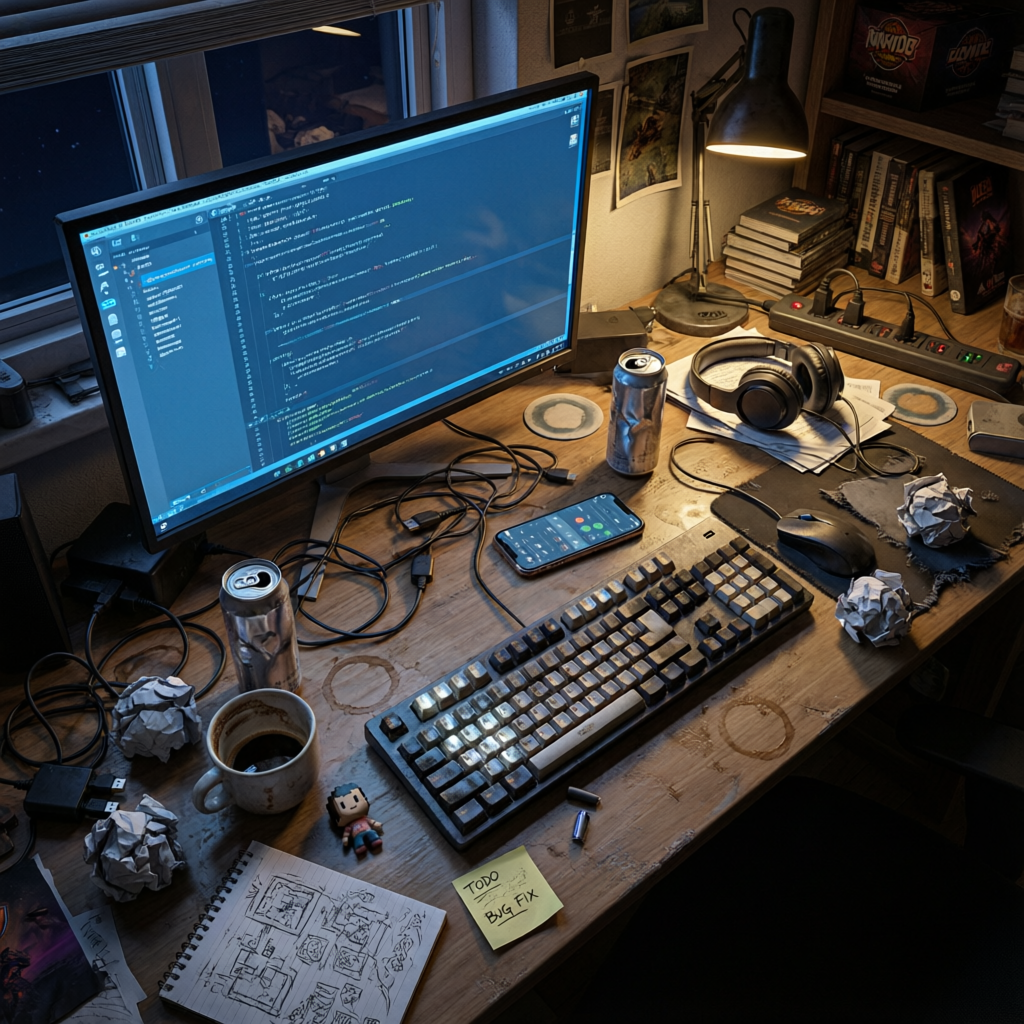
The 2 AM Quit That Fixed a Corner
At 2: 07 AM Tunis time, a player quit at the exact same spot on our Industrial Zone map. Three times, no enemy, no killcam, just a silent exit. We saw it in the match logs the next morning. The timestamp pattern was too clean to be a coincidence. First thought. Trolling or a dropped internet. Then we pulled the replay data. They walked into a corner, stopped, and left. Three matches, same spot. So we checked that corner. A lighting glitch made the doorway look like a solid wall. The exit was invisible on certain graphics settings. That player wasn't rage quitting because they were bad, they were stuck. We patched it, and now that corner reads as a path. That's the whole story, and it's why your 2 AM quit is now a fix in the version.
People think you learn indie game dev from tutorials or GDC talks. But the real lessons live in the data from people actually playing. Every rage quit is a signal that your game is lying to the player. Our job is to read those signals and hunt down the lie. For us, that means tracking every match, not to punish anyone, but to find the friction. It's scrappy, but it works. We're a small student team, so no big usability labs. We have logs, timestamps, and replay files. That's our lab.
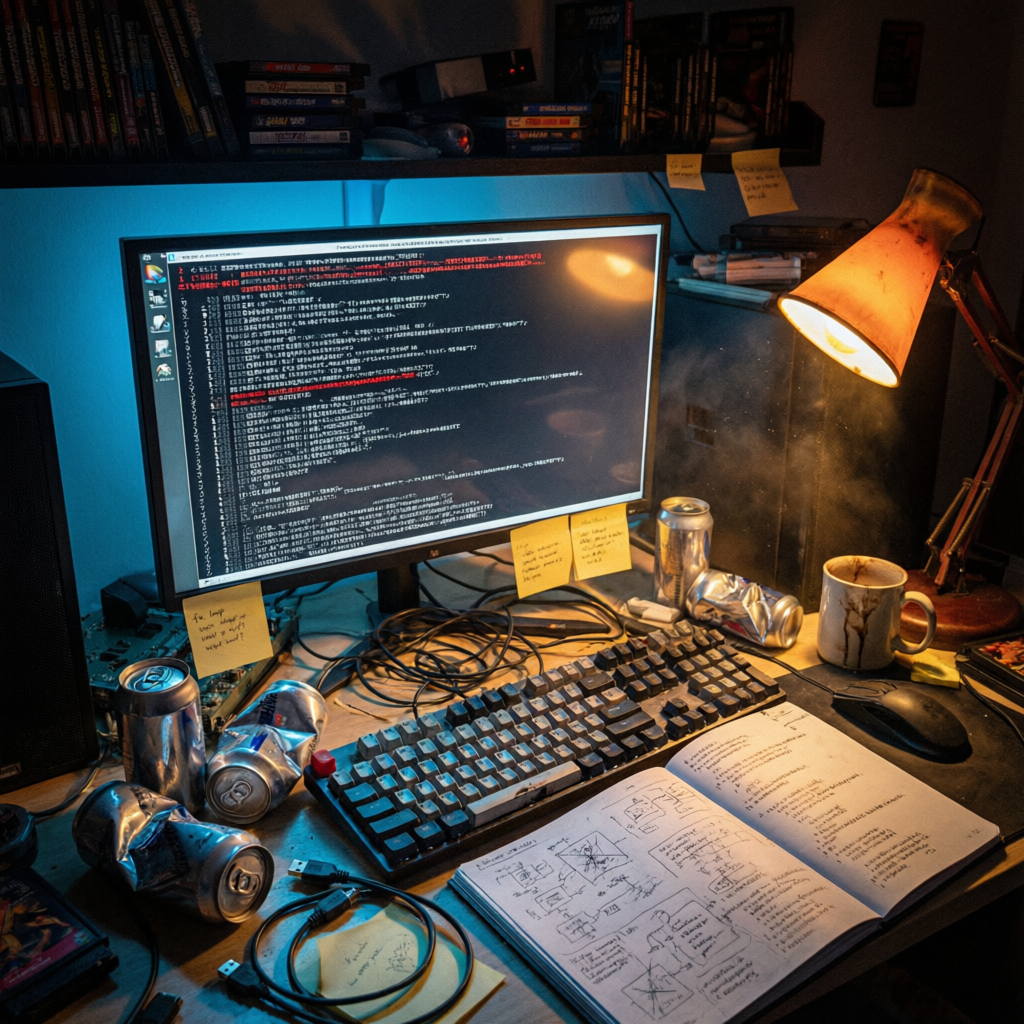
That experience changed how we think about becoming indie game devs. You don't need a game design degree to see why someone quits. You watch what they do, not what they say. The pattern gave us a hunch. The hunch led to a fix in one night. That fast loop is what makes indie dev so good. Small teams move fast, and the fix came from a player who probably never wrote a single piece of feedback. They just voted with their exit.
So when you're learning to get into indie game development, remember: your players are your best playtesters, even silent ones. Their behavior is a goldmine. Every early quit, every repeated death, is a clue. We're not saying obsess over every quit, some are bad luck or a bad mood. But when you see a pattern, dig in. You might find a lighting glitch that makes a corner look like a dead end. Fixing that corner is the most satisfying part of the job.
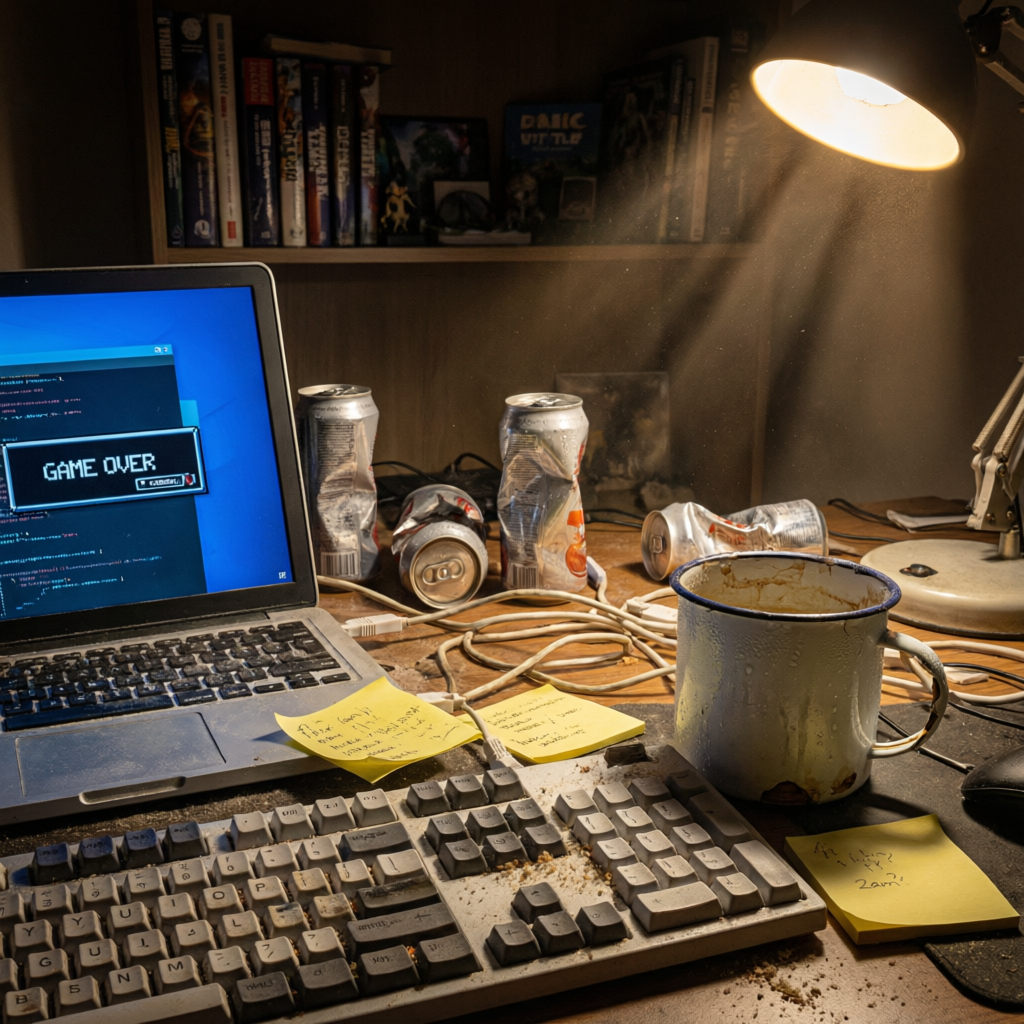
What a Rage Quit Taught Us About Game Design
Now, for anyone trying to to learn indie game development without a textbook. Most people start by downloading Unity or Godot and following a tutorial to move a cube. That's fine, but the real learning happens when a real human who doesn't care about your code sits down and plays. That's when the design truth comes out. Our 2 AM rage quit taught us a lesson no tutorial could: lighting isn't just aesthetic, it's a mechanic. A dark corner can hide an exit, and if the player can't see it, they think the level is broken. That's a design failure, not a player failure.
Want to know how to fail at indie game development? Ignore the feedback you didn't ask for. The rage quit is feedback, even when silent. Early on, we thought if a player quit, it was their loss. Now we track every match and look for anomalies. That corner was an anomaly. It taught us to question every assumption in our map layouts. We now ask: does this doorway read as a doorway on a low-end laptop at 2 AM with motion blur on? It's a specific question, but it makes games better. We're not geniuses, we just got tired of losing players.
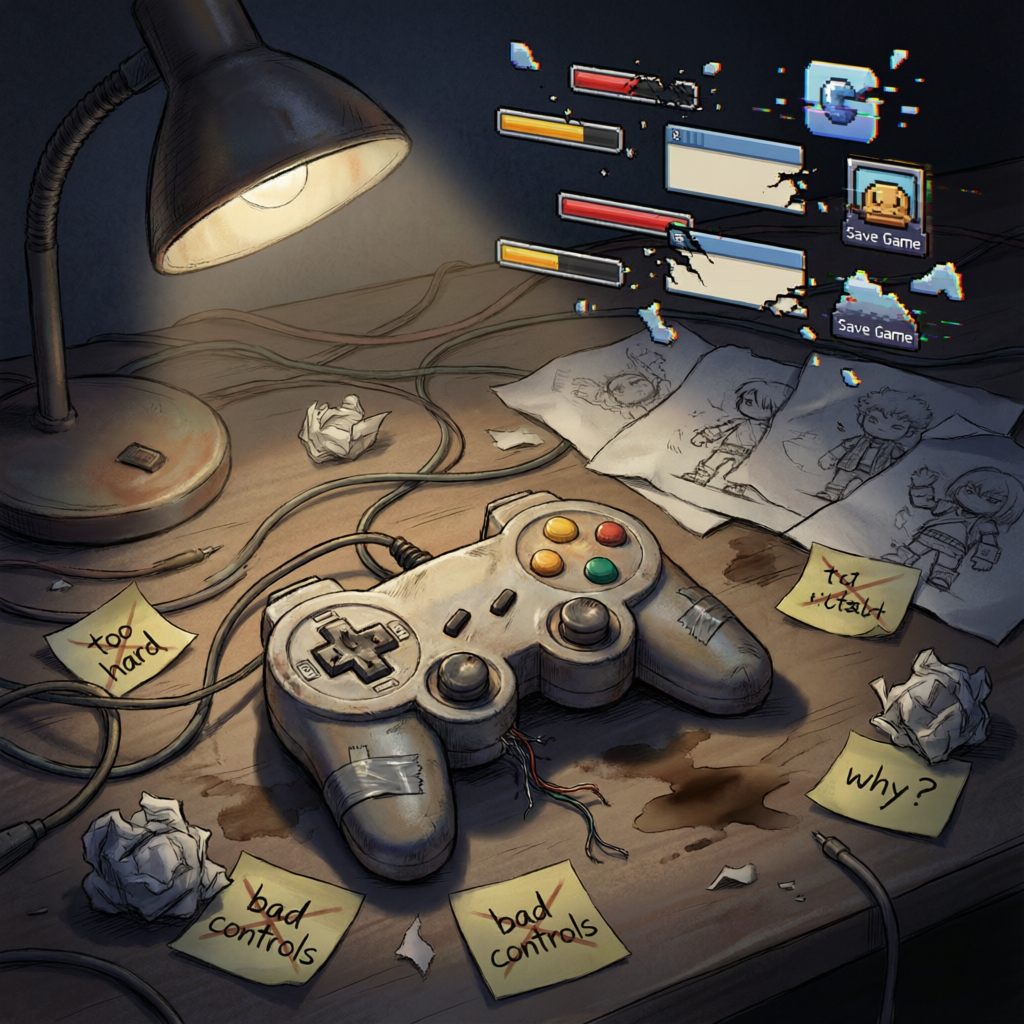
Here's a concrete way to apply this to your own growth: record your play sessions and watch them the next day. Solo dev, you can't track every player, but you can track yourself. Hit a frustrating spot? Pay attention. Why did you quit? Could be a collision bug, an invisible wall, or bad pacing. Same logic when you watch others play. Ask them to think aloud. Their rage quit is a data point, not a personal attack. That mindset shift is core to becoming an indie game dev.
Ultimately, every rage quit is a gift. It shows exactly where your game's communication breaks down. In our case, it was a visual bug that hid a path. In yours, it might be a difficulty spike or a confusing objective marker. But you only fix it if you're watching. So when you're figuring out how to get into indie game development, build a habit of observation. Playtest early, playtest often, treat every quit as a clue. That's how we learned, and you can too.
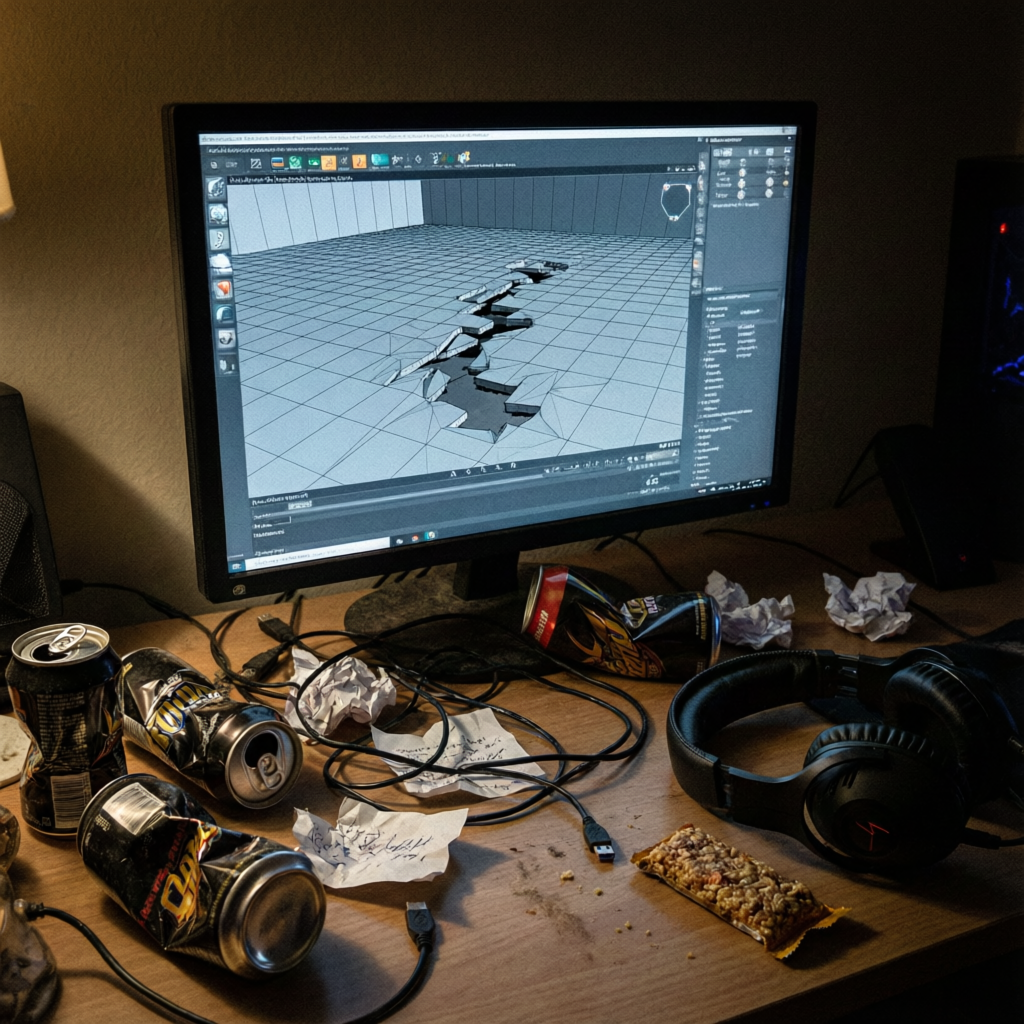
How We Turned a Rage Quit into a Fix
So what did we do after spotting that 2 AM pattern? We opened the map in our editor, checked the lighting settings, and reproduced the bug in about twenty minutes. The issue: a certain light angle made the doorway's frame disappear against the wall color, especially on medium shadow quality. A small oversight with a big impact. We adjusted the light intensity, changed the wall texture slightly, and added a subtle rim light to the door frame. Then we pushed the patch. Live within a few hours, with a changelog note. 'Fixed a corner on Industrial Zone that looked like a dead end. Thanks to the player who quit three times, you know who you are.' No response yet, but we like to think they noticed.
We call this 'rage-driven development.' Not formal, but it's how we roll. Track every match, and when someone quits repeatedly at the same spot, we investigate. No surveys, no focus groups. The data speaks. We see a spike of quits in an area or at a time, and we go look. Same principle as crash reporting, but for frustration.
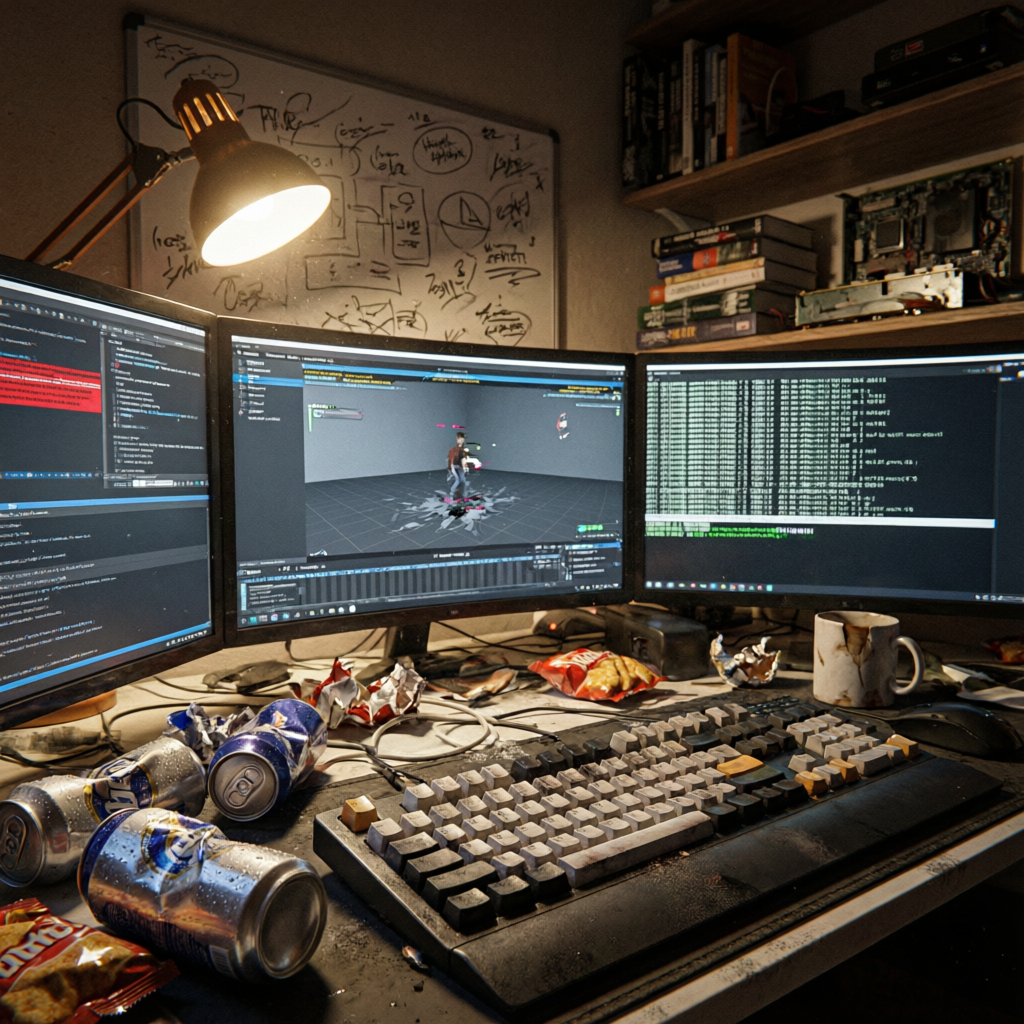
If you're a small dev wondering how to find indie game developers who share this philosophy, you're already here. Our community is built on players shaping the game. The idea board is one way, you vote on features. But even beyond that, your behavior shapes the version. That 2 AM rage quit changed a line of code. A direct line from frustration to improvement. That's the transparency we want.
One common question is how indie game developers earn money. We're free to play, no install, no credit card, ever. We earn through optional in-game currencies you get by playing, not buying. But that's a different article. The point here is learning from rage quits costs nothing. Pure observation. So next time you quit in frustration, maybe there's a lesson for you too. And if you're building your own game, remember: your players are telling you what to fix, even silent. Listen to the silence.