Why a fresh pair of eyes sees what veterans miss
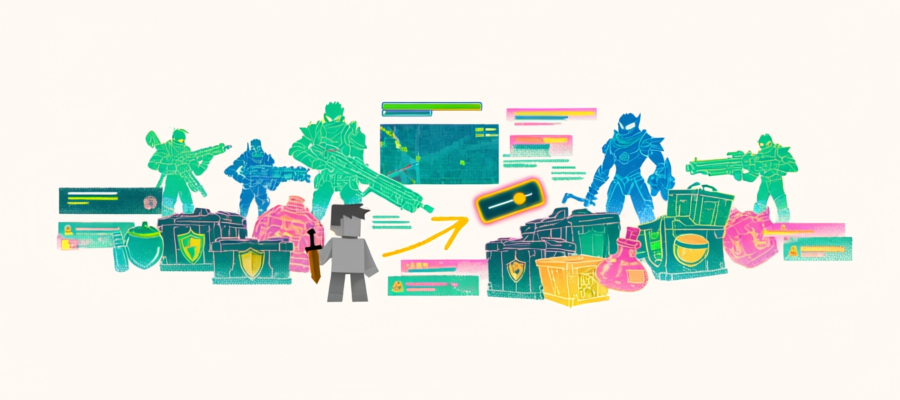
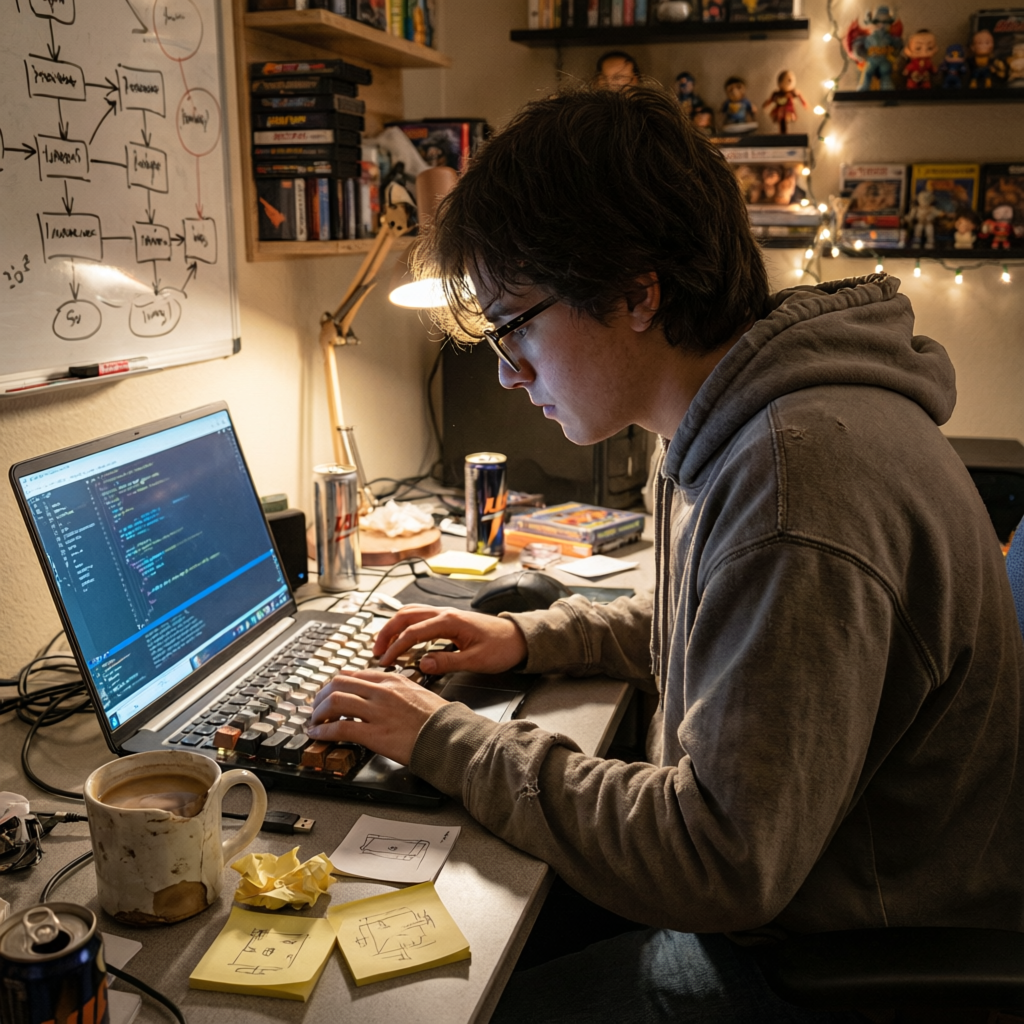
We have all been there. You play a game for months, maybe years, and you stop noticing the small annoyances. The sniper that feels a little too easy to quick-scope with, the SMG that shreds up close but has no downside, the spawn point that always puts you in a crossfire. You just learn to work around them. But a new player? They have no muscle memory. They have no loyalty to the meta. They just feel the frustration raw. And that raw frustration is pure data.
That is why we built The Agency the way we did. We are a small student team out of Tunisia, and we are making a free browser shooter that anyone can play with no install and no credit card. But the real experiment is the idea board. Every player gets one vote, and the top-voted ideas become the actual studio roadmap. There is no filter, no developer gatekeeping. A kid who just finished the tutorial can pitch a balance change, and if enough people vote for it, we ship it.
We have seen it happen. A player with three hours of playtime suggested that the RUSH mode wave timers felt too tight for solo players. They were right. We had been tuning those timers for squads because that is what our testers used. The solo experience was an afterthought. That one vote kicked off a community discussion, and within two weeks we had a separate solo difficulty that slowed the wave timer by thirty percent.
That is the kind of change a veteran would never propose because veterans had already accepted the timers as a challenge to overcome. The new player just saw a barrier to fun. That is a valuable perspective, and it is one most online multiplayer games never use. They rely on forums full of power users, not the people who just want to have a good time.
So when we ask what if the best balance change comes from someone who just joined, we are not being cute. We are describing how our game actually works. Your first vote could be the game's best balance change. You just have to show up and say what feels off.
How the idea board makes everyone a game designer
Most multiplayer games have a feedback channel. A forum, a Discord, a bug report tool. You yell into the void and hope a developer reads it. Sometimes they do, sometimes they do not, and you never really know what happened to your suggestion. That is not how we work. The Agency has an idea board where every registered player can submit a feature request or a balance change. Then every other player gets exactly one vote to push ideas up or down.
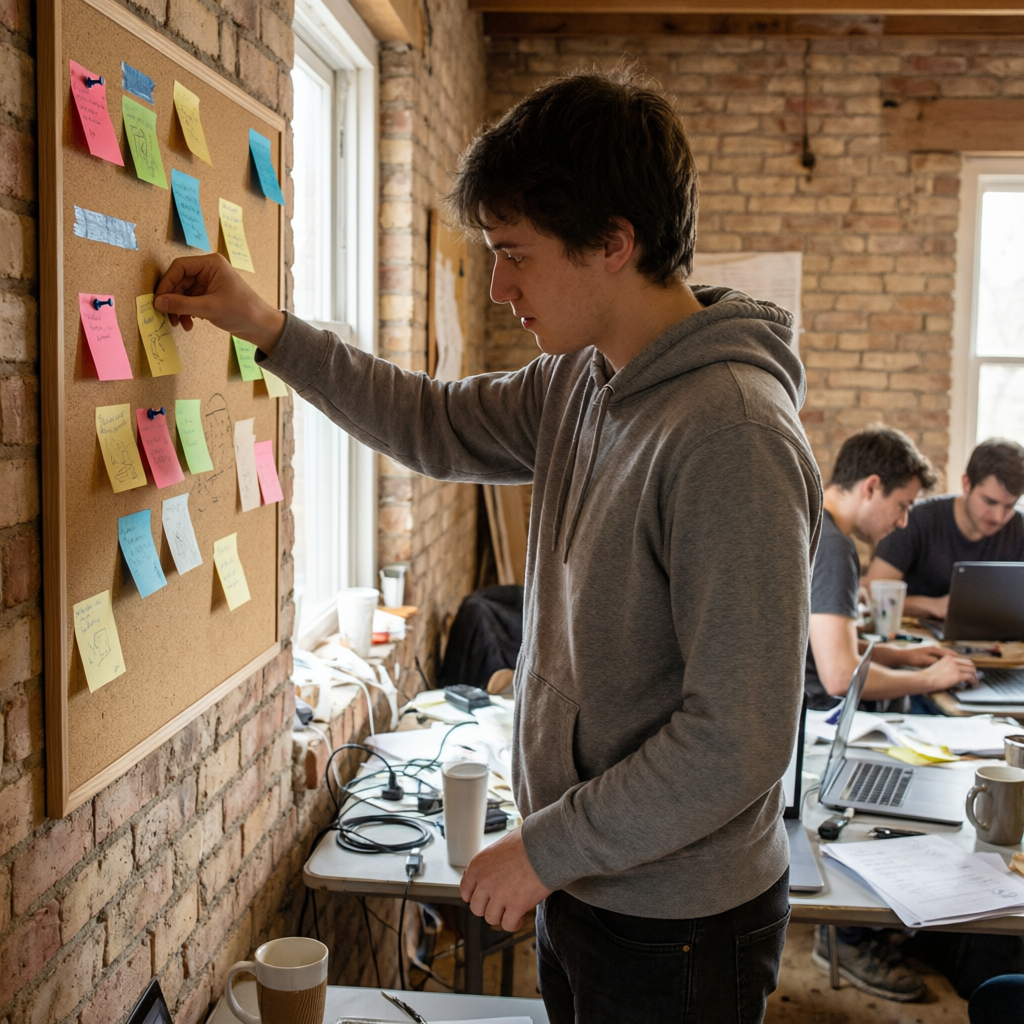
This is not a suggestion box. It is a ranked democracy. The top-voted ideas get assigned to our dev cycle, and we post a public timeline of when each idea will ship. If your idea wins, we tag your username in the patch notes. You get bragging rights, and you get to see your name in a game played by people around the world.
We built this system because we are students. We do not have a million-dollar QA team. We do not have a focus group. We have a community of players who care enough to vote, and that community includes brand new players who just discovered online multiplayer games. They come in fresh, they play the campaign, they try the Dominion RTS mode, they fight in RUSH wave survival, and they notice things we never thought about.
For example, one new player pointed out that the Loadout Lab's 3D preview showed weapon stats that did not match actual performance. We had a bug where the displayed damage number was calculated with a different armor formula than the game used. That player did not know the math behind it. They just saw the number, shot a bot, and said this does not feel right. That is the kind of bug a veteran would write off as a UI quirk. The new player caught a real balance issue.
We are not saying every new player's idea is gold. Some suggestions are impossible, some are silly, and some break the game's core design. But the vote system filters that out. If an idea is bad, the community downvotes it. If it is good, it rises. And sometimes a wild idea from a rookie turns into the next big feature.
What this means for the future of indie game dev
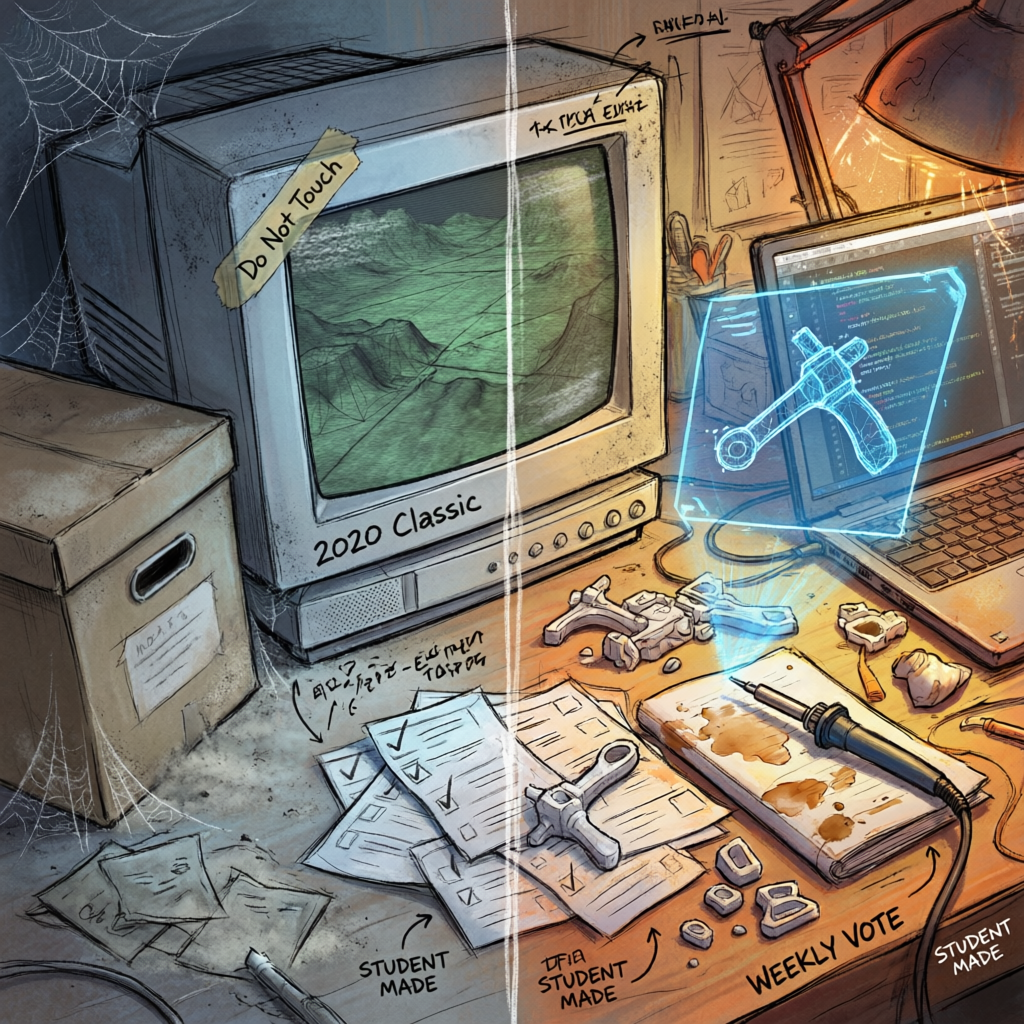
Indie game development is hard. You have limited resources, a small team, and a thousand things you want to build. The temptation is to lock yourself in a room and design everything yourself. We tried that. It did not work. We built a lot of features that nobody asked for and missed the ones players actually wanted.
When we opened the idea board, something shifted. Suddenly we had a direct line to what players actually wanted, not what we assumed they wanted. And the surprising thing was how often the best ideas came from new players. They did not know what was supposed to be hard. They did not know what was supposed to be a skill gap. They just knew what was fun and what was not.
That is a lesson for anyone wondering what is indie game dev. It is not about solo genius. It is about building something with a community. The best free browser shooter games are not just technically impressive. They are games that listen to their players. And the simplest way to listen is to let players vote on what gets built next.
For players, this means you have real power. You do not need to be a developer to shape the game you play. You just need an opinion and a vote. The next time you play a free browser FPS, ask yourself: if you could change one thing, what would it be? In The Agency, you can actually submit that change and see if other players agree.
We think this is the future of online multiplayer games. Not just for indie studios, but for anyone who wants to make games that people love. The old model was top-down: developers decide everything and players adapt. The new model is bottom-up. Players decide what matters and developers build it. It is more chaotic, but it is more honest.
So if you just joined and you have an idea, throw it on the board. Your first vote could be the game's best balance change. We are betting it will be.