The Other Timeline: A Bug Report That Waits Until Thursday
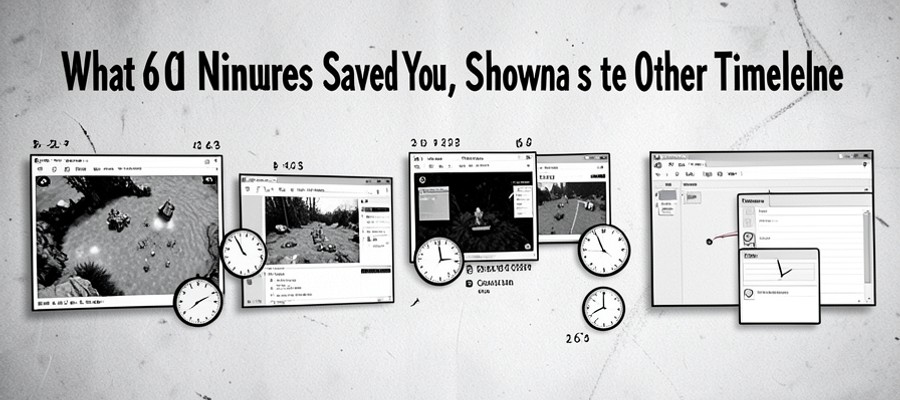
Here is the ticket on the left. Monday 09:00: you report the stuck respawn. A support bot replies with a number. Tuesday 14:30: the ticket gets triaged to a team that is already three sprints behind. Wednesday 16:00: someone reproduces it, but the fix still needs a QA pass and a release window. Thursday 11:00: the patch goes out. You lost three days of play. Nobody is being evil. That is how tickets move when a team is bigger than the problem.
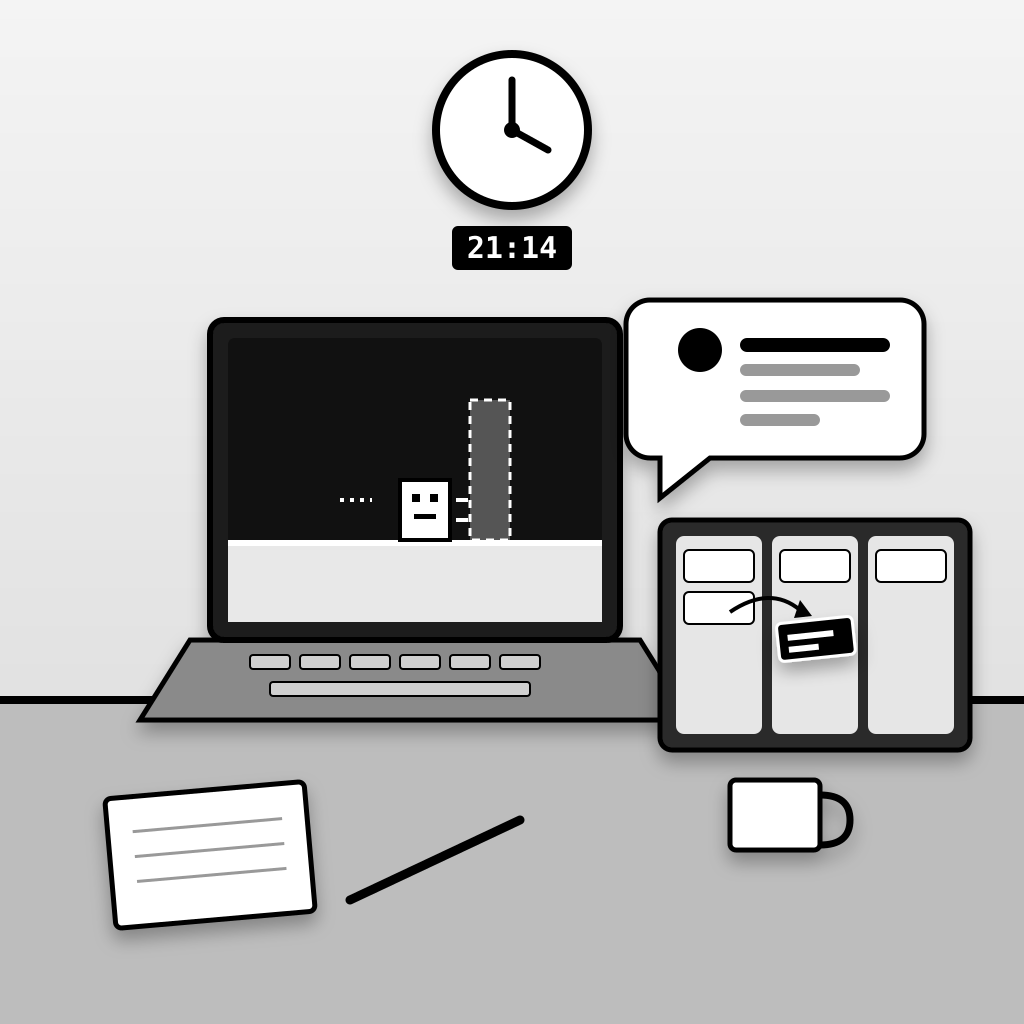
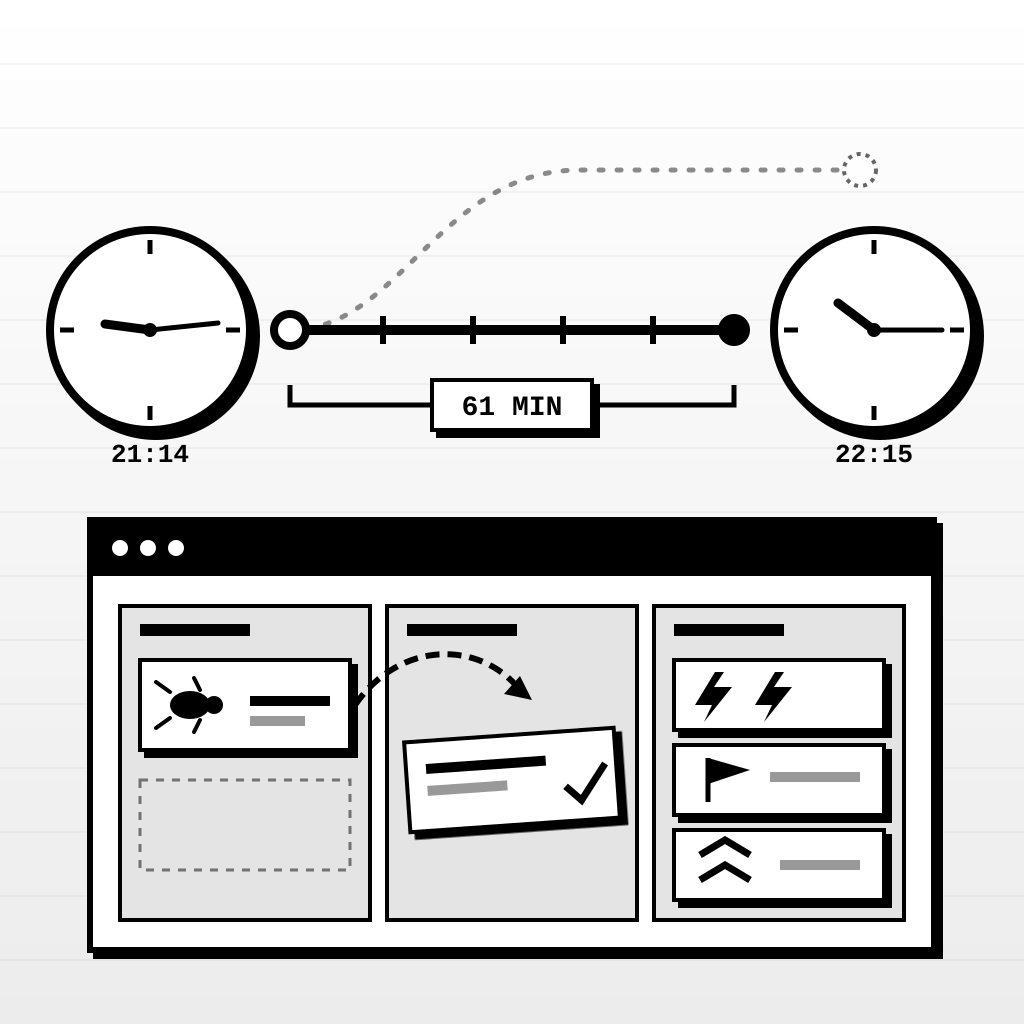
We are a small student team in Tunisia. We do not have a support bot. At 21:14 a player sent us a clip. They were stuck in a respawn loop and could not move. We shipped the fix at 22:15. That is 61 minutes. No heroics. There was no queue between the player and the people who could fix it.
You report a bug in a free browser game and then you wait. Days go by. Nobody tells you if anyone is even looking. We got tired of that, so we built the public timeline. You can check the difference yourself instead of taking our word for it.
21:14 to 22:15: What Happened in 61 Minutes
21:14. The clip lands. The player is locked in a respawn loop and the match keeps going without them. We watch it and start digging.
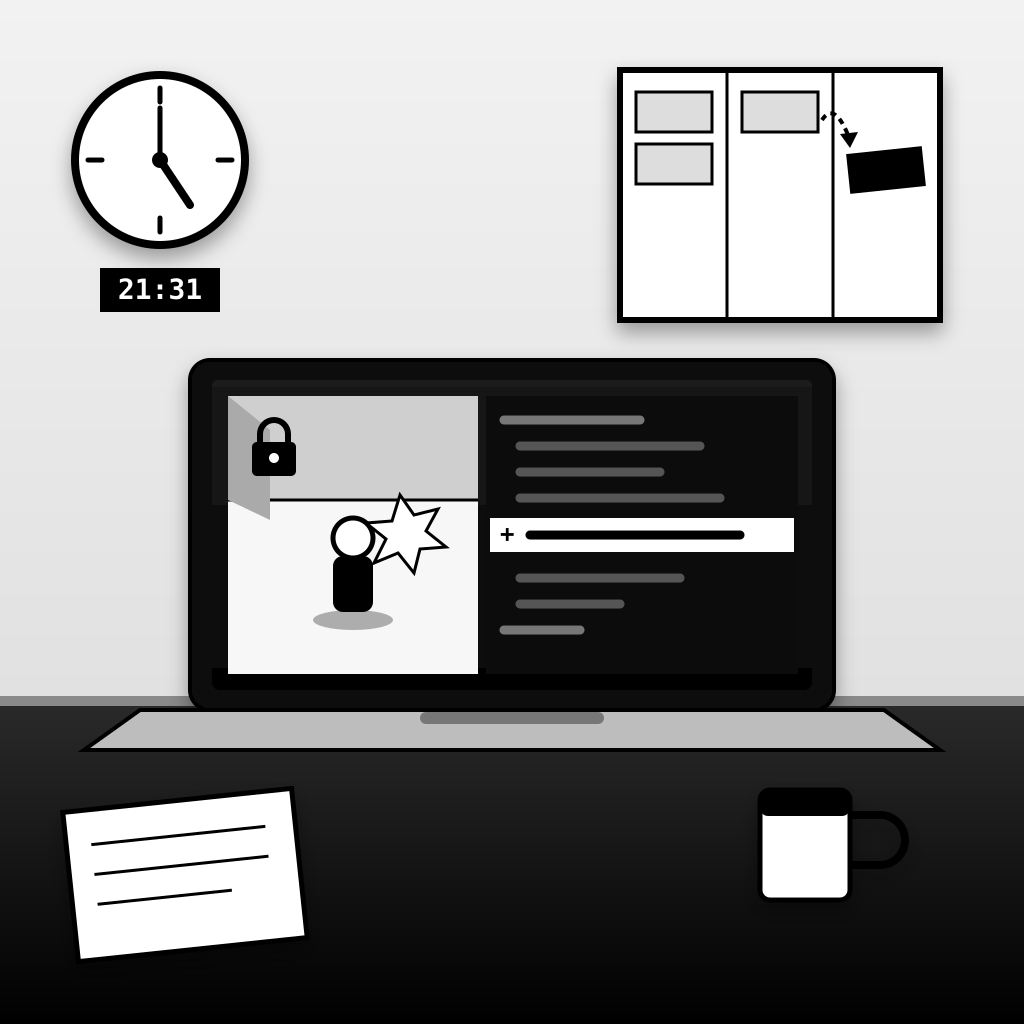
22:15. Fixed. Shipped. The commit was on the public timeline before the build went out. The patch note was one sentence.
That is the real timeline for a small team. Report, fix, ship. No handoffs. No release window. No Thursday. We are students, so we do not have layers that add days. We have a short distance between the clip and the commit.
What You Get Back: The Match, Not Just a Patch
The player who sent that clip kept playing. That is the win here. The patch is only the reason.
A stuck respawn ends your session. A slow fix turns that one session into a week of waiting. A fast one means you lose a few minutes and get back in.
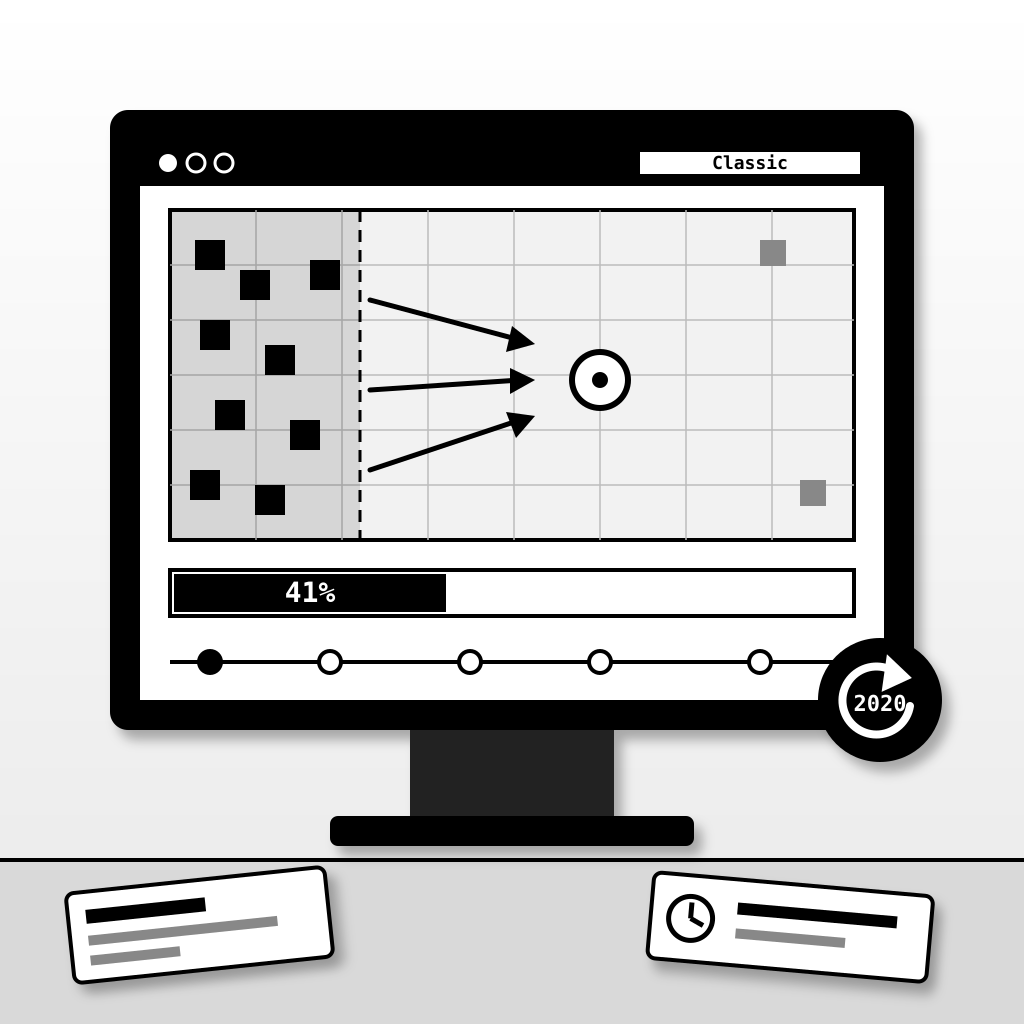
This works for design problems too. Enemy spawn design is public. The 14 number we changed took spawn deaths before you see an enemy from 41% down to 9%. You could see that change before it shipped. We also broke something once. A respawn timer made things worse, a player sent a clip, and we reverted it in 40 minutes. They were in the thread when it happened.
Why We Show the Clock
Every studio says it ships fast. We show the timestamps. 21:14 report. 22:15 shipped. Those are real clock times from a real night, and you can check them against the commit history. We do not round them to the nearest hour. If a fix took three days, you would see three days, and we would write that down too.
The idea board works the same way. Anyone can pitch. Everyone gets one vote per idea. The top-voted ideas move from Planned to Building to Shipped on the same board where you can see the clock. The spawn risk vote went back on the board when players asked. A decision is not final just because we made it.
The original 2020 Unity build is still online as Classic. We do not hide where we came from. If you want to see how a game actually gets built, read the timeline like a log. It is the build while it is happening, not a post-mortem.
What This Means for You
If you play free browser games, ask how long a fix takes. Not the average. The actual clock. If a studio cannot show you when your bug was reported and when it shipped, assume the answer is Thursday. We show the clock so you can hold us to it.
If you are building your own game, here is what we learned. The timeline is set by process, not code. A three-day fix is usually three days of waiting, not three days of coding. Shorten the distance between the report and the person who can fix it. Keep the board public. Keep the clock visible.
You play the full Agency free in your browser. No install. No credit card. You start with a full loadout plus GC 300 and SC 15,000, so you make real choices in minute one.
So here is the ask. Found a bug or have an idea? Post it on the idea board. Everyone can see it and everyone gets a vote. If it is a bug, we fix it and stamp the clock. If it is a feature, it goes to the vote. If we slip, you will see that on the board too.