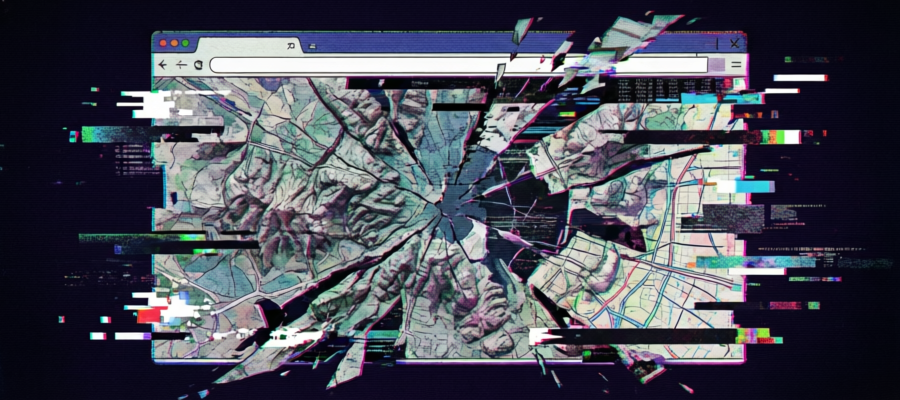
We shipped a map that looked like a glitch box for three days. Those grey blocks were placeholder assets we never replaced. Not supposed to go live like that. But we had a deadline. Delaying the whole update was worse. So we pushed it out, ugly as it was, and figured players would skip it. They did not.
They queued into that map constantly. Match after match, running around those grey boxes, finding angles, trading kills, discovering routes. We watched the replay data and saw something strange. Nobody complained about the visuals. They complained about lack of cover in certain spots. That told us more than any polished map ever could.
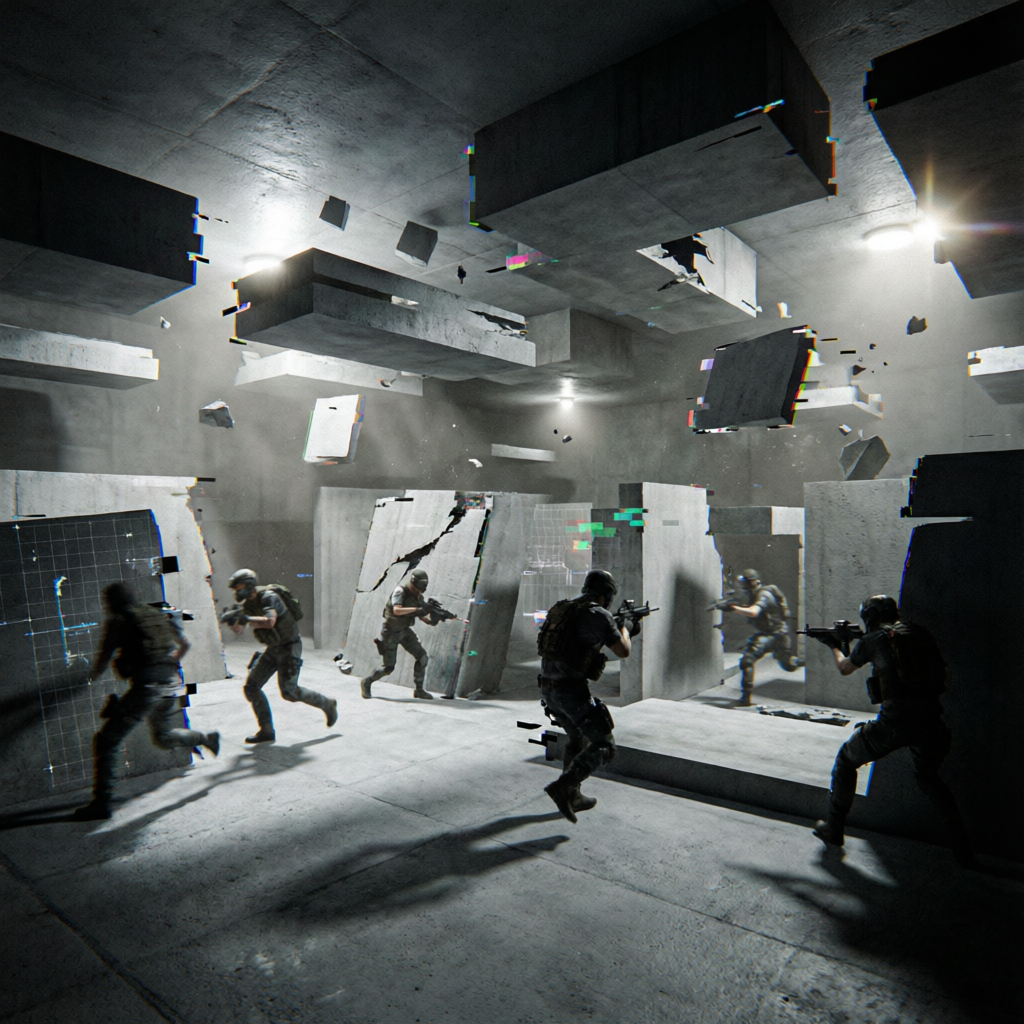
The grey boxes became a heatmap of actual play. Every spot where players got shot from behind showed where they needed cover. Every lane they naturally ran down showed where to place chokepoints. The glitch box map was a perfect data trap. Looked like a mess, played like a raw sandbox where players revealed their real needs.
We had planned to replace the placeholders in a week. The data changed that timeline. We started building real geometry based on movement patterns from day one of the grey box map. The map that looked like a glitch box became a design tool. We learned more in three days of live data than in three weeks of internal testing.
This is how we work. Ship something rough, watch what you do, build what you need. Free first person shooter games browser don't get this kind of player-driven iteration. Most studios polish for months behind closed doors. We let you play the ugly version first, and you make it better.
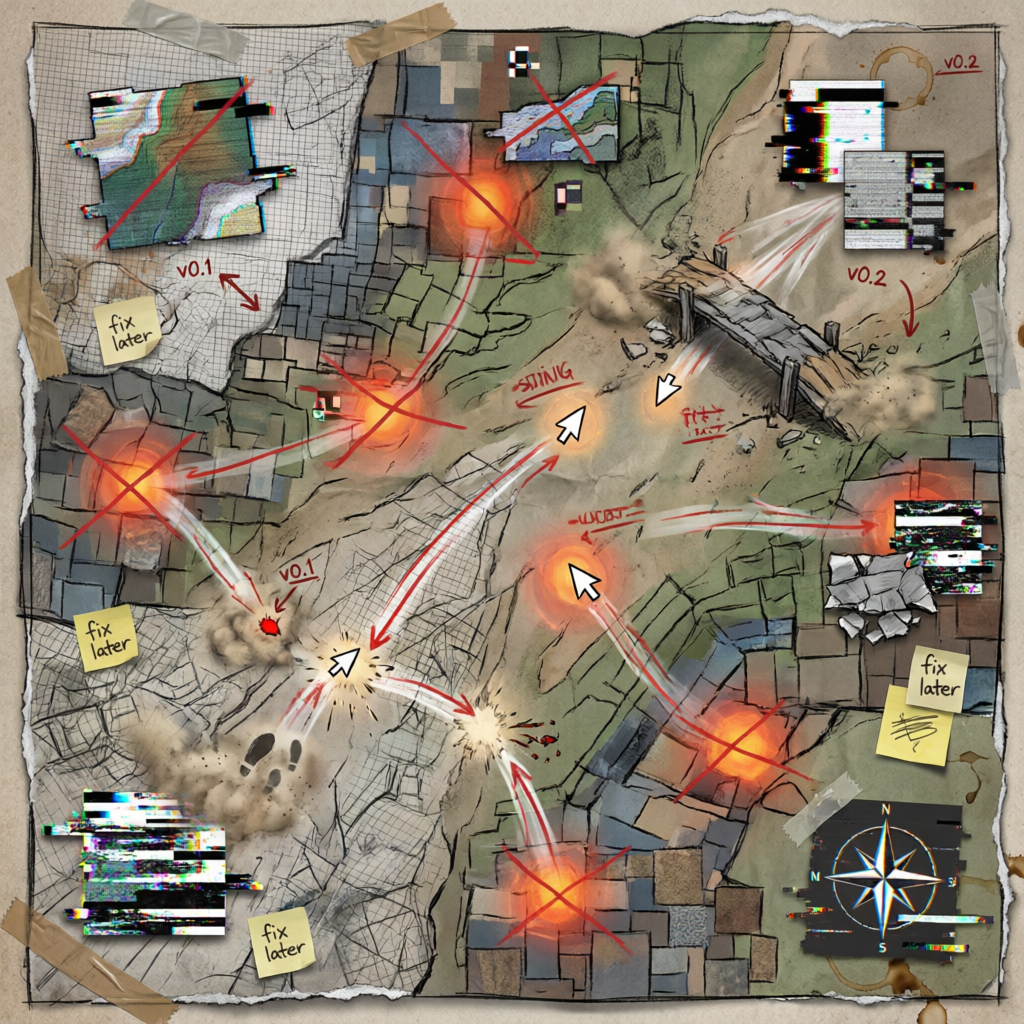
If you want to see how your play shaped the final map, queue up tomorrow. The new version keeps every lane you discovered and adds cover exactly where you needed it. The grey boxes are gone, but your movement is baked into every wall.
Placeholder Playground: Why Ugly Maps Give Better Data Than Polished Ones
A finished map hides its flaws behind nice textures and lighting. Players accept what they see and stop exploring. A placeholder map does the opposite. It screams this is not done and that invites curiosity. Players look for the seams. They test every corner. They push against the limits because nothing feels final. That is exactly what we want.
Online games no download free play depend on engagement, but engagement doesn't mean nice graphics. It means players keep coming back. The grey box map gave us that. Players returned because it felt different. Every match had a chance of discovering a new sightline or a broken spot. The map changed as players understood it. That unpredictability kept matches fresh.
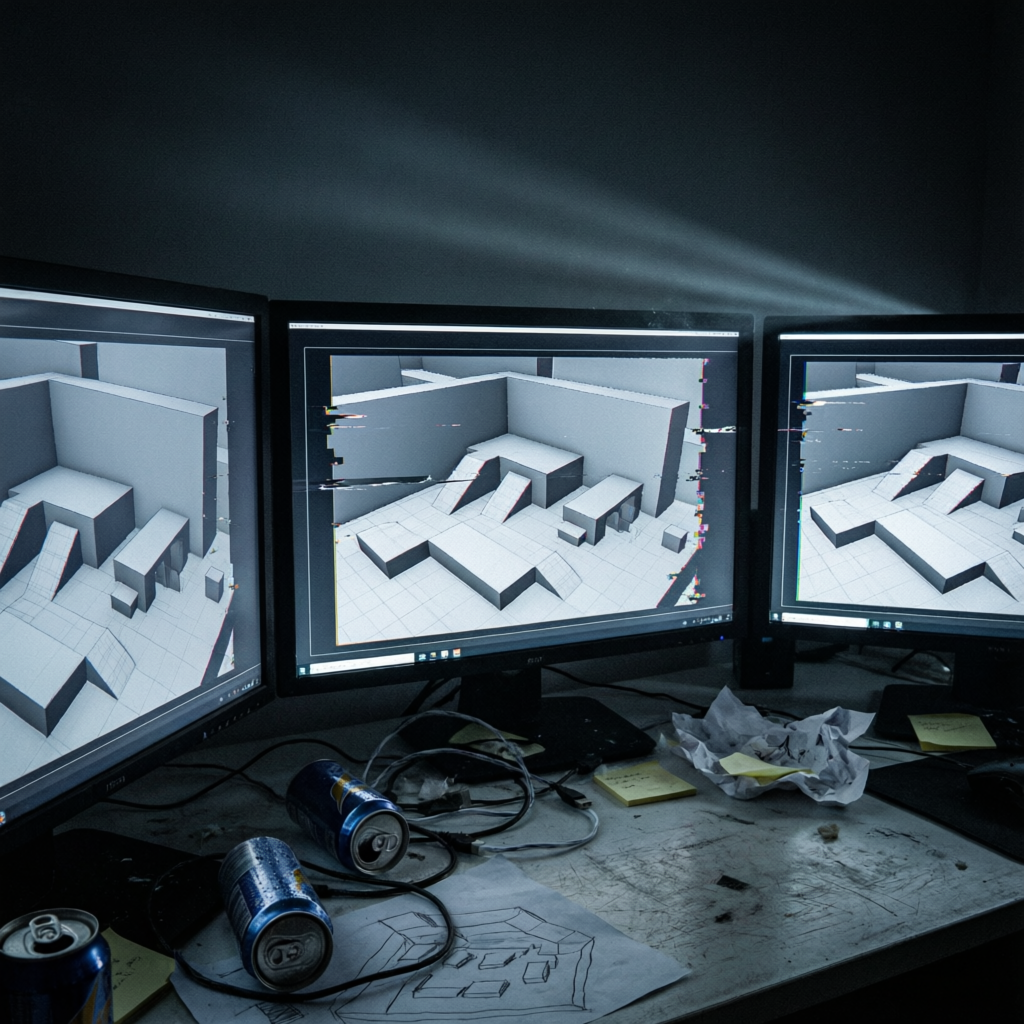
We tracked every death, every kill, every movement path. The data showed hot zones we never expected. One area near the grey box center looked like a death trap on paper, but players barely died there. Another open lane we thought would be safe became a kill funnel. We would have balanced those areas wrong if we had polished the map first. The placeholder version taught us the truth.
Online games to play browser need maps that reward learning. The grey box map did exactly that. Players who learned the raw geometry had an advantage over those who relied on visual cues. That skill gap felt fair and rewarding. Our community loved it. They didn't care that the map looked like a glitch box. They cared that every match felt like a puzzle.
We will probably ship another ugly map soon. Not because we are lazy, but because it works. The data from raw placeholders is cleaner than any playtest we can run internally. Players in a live environment act differently than players in a test build. They try harder, they take more risks, and they reveal more needs. That is worth a few days of grey boxes.
If you want to know when the next ugly map goes live, check the idea board. Players can vote on which map we prototype next. The top vote gets the placeholder treatment. You get to see it first, break it, and tell us what to fix. That is the fastest path to a map that plays well.
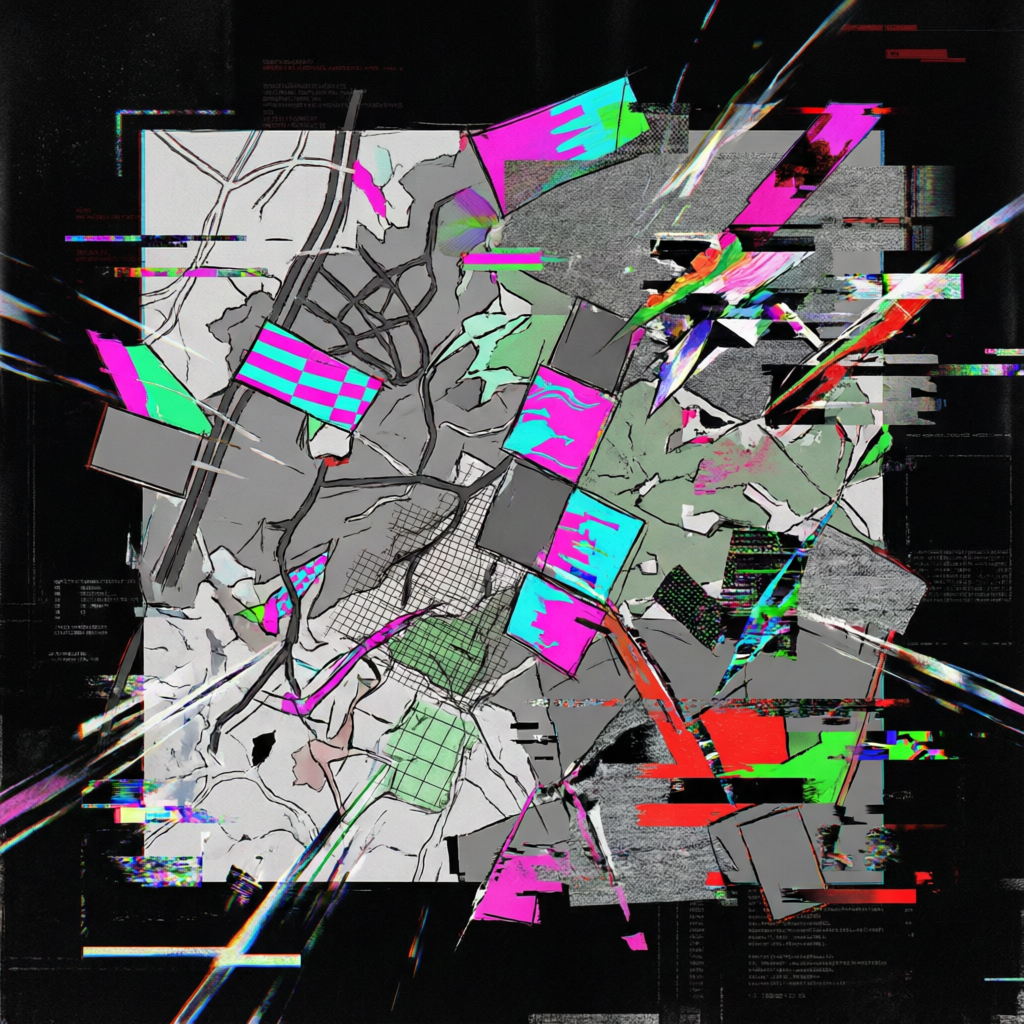
From Grey Box to Final build: How Player Movement Redesigned Every Corner
We started the redesign by overlaying three days of movement data onto the grey box layout. Every player position, every kill location, every line of sight was tracked. The result was a heatmap that looked exactly like a glitch box: dense red patches where action happened, cold blue areas where players avoided. We built new geometry based on those red patches.
One specific example: the center grey box area had a wide open floor. Players died there constantly. Our internal tests assumed that was because it needed cover. The data showed something else. Most deaths happened near two specific corners, not the open center. Those corners had no exit routes. Players got trapped. We added small escape paths and a low wall for cover. The death rate dropped by half.
Another area near the south side had a tall grey box that players never used. We thought it was useless. The data showed exactly one player per match climbed it for a flank. That one player often won the round. We turned that grey box into a proper catwalk with railings and a ladder. Now every player uses it. The catwalk became a major chokepoint.

We also noticed players ran along the map edges more than we expected. The grey box edges had no cover, so players died quickly. But they kept running there anyway. That told us they wanted flank routes. We added cover along both edges, spaced so players had to move between boxes. Those flank routes now feel natural because players already learned them through the placeholder version.
Can i play any game without downloading? Yes, The Agency runs entirely in browser. That also means we can update maps live without patches. When the new map goes live tomorrow, every player will see it instantly. No download, no queue time. You just reload the browser tab and the map is there. That speed of iteration is why we can ship a glitch box on Monday and a polished map on Thursday.
Online multiplayer shooter browser games rarely get this level of player-driven design. Most studios ship a map and never touch it again. We ship maps that evolve based on actual play. Every map gets a data-driven redesign after the first week. The players who queue into the ugly version shape the final map for everyone else. That is why we call it your map.
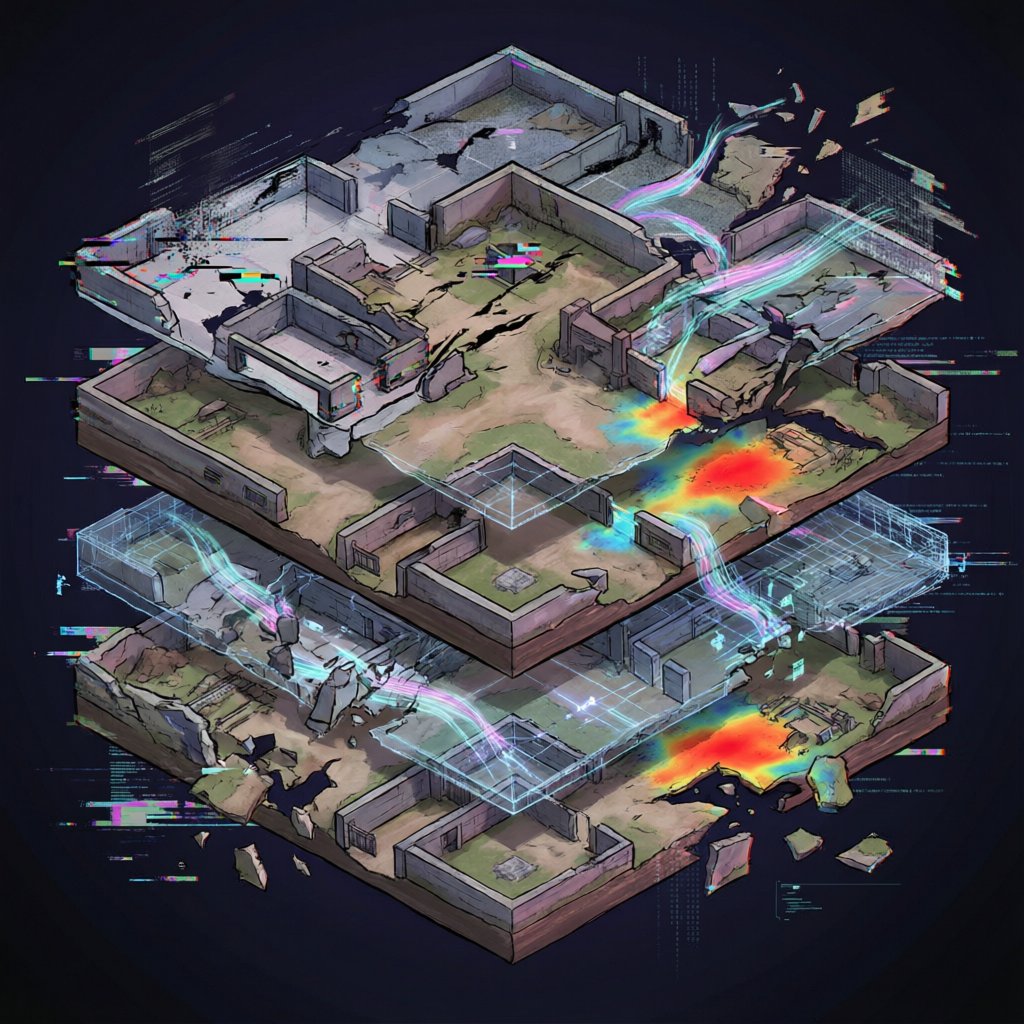
Tomorrow's release is the first test of this process. We plan to do it for every new map. The next placeholder map might look even uglier, but the final version will play better because of it. Queuing into a grey box now means you are part of the design team. Your movement is the blueprint. Your deaths tell us where to build walls.