What you see when the card moves
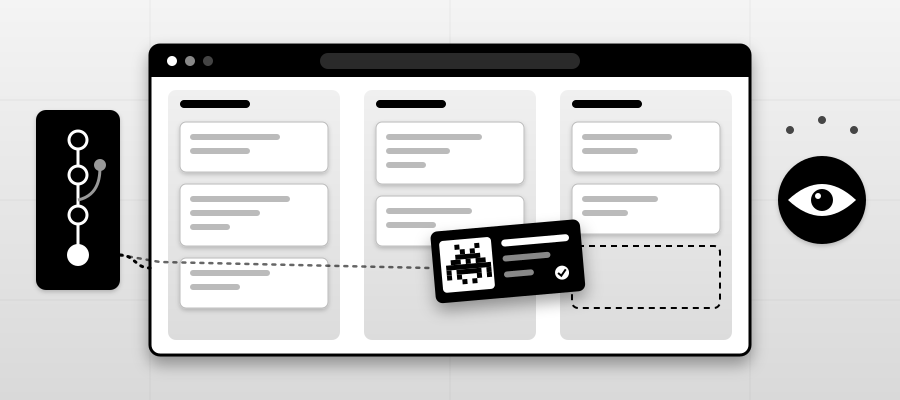
Open the board and look for the card called Spawn Safe Zone. Yesterday it sat in Planned with three votes on it. Last night it moved to Building, and by the time you read this it may already be in Shipped with a link to the commit. No refresh needed. The card moves when we commit, because a student on the team drags it there right after pushing the code. That is the whole trick.
Most game teams show you a trailer at the end and a post-mortem six months later. You get the card moving while the code is still ugly. When the spawn rule changes, you are watching three students in Tunisia argue about radius values in a group chat, then write it, then break it, then fix it. The board does not hide the middle part.
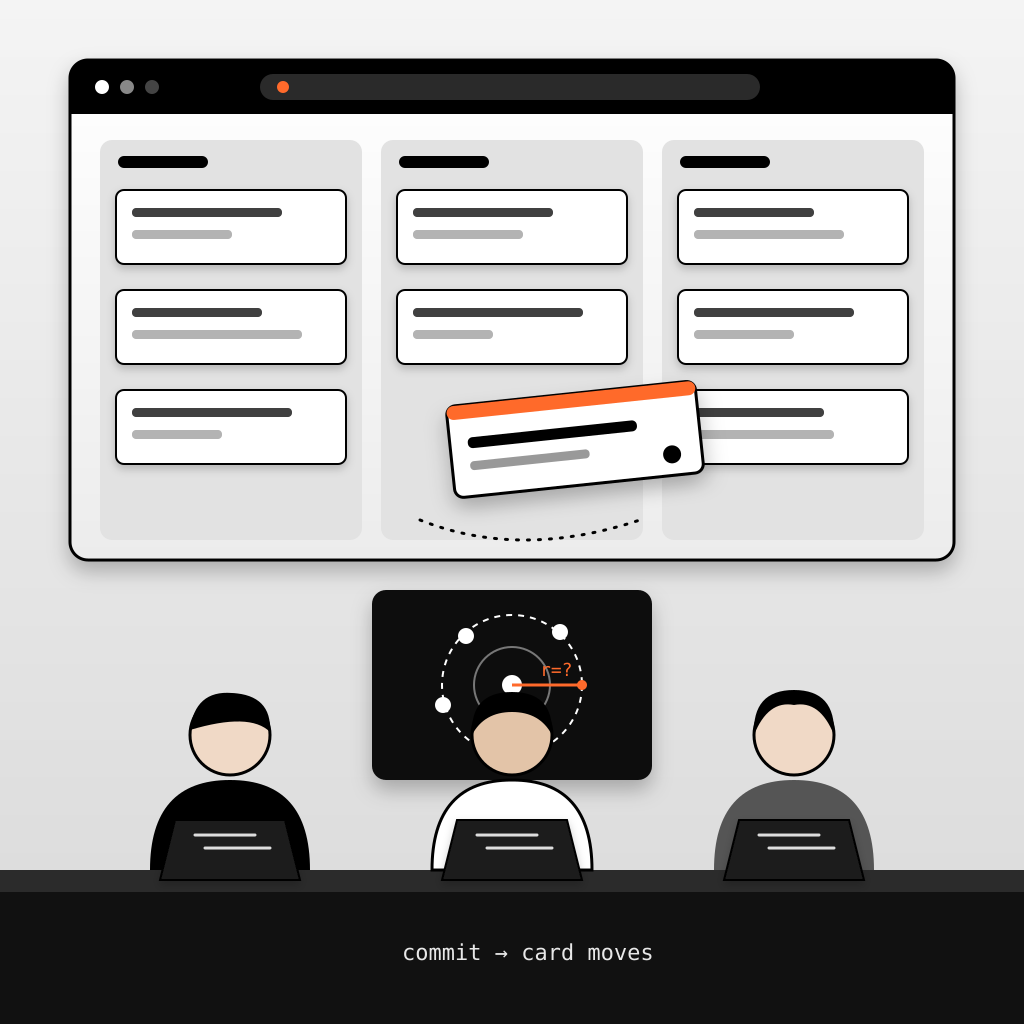
Here is the concrete thing that changed for you. Enemy spawns used to drop players into a fight before they could see anyone, and 41% of your deaths happened that way. The card for that fix is on the board, it has a date, and it links to the build where you can feel the difference. Now that number is 9%. You stop dying to nothing.
This is the plainest answer we can give to what is indie game dev. It is not a studio with a marketing calendar. It is a public board, a commit history, and a spawn rule that either works when you load into a match or does not. If you have ever wanted to see how the machine is built instead of just riding it, this is the door.
We keep the card visible even when it is embarrassing. When we reverted the spawn radius last month, the card moved back to Building with a note explaining why. You got to see the revert happen in public instead of reading about it in a patch note that spins it as a tuning pass.
Why a board is the roadmap and your vote is the pen
Every card on that board started as an idea someone pitched. Anyone can post one, everyone gets exactly one vote, and the top-voted ideas get dragged into Planned. That means the enemy spawn rule card is not there because a product manager decided it. It is there because enough of you voted for it, and we track each one as Planned, Building, or Shipped so you always know where your vote went.
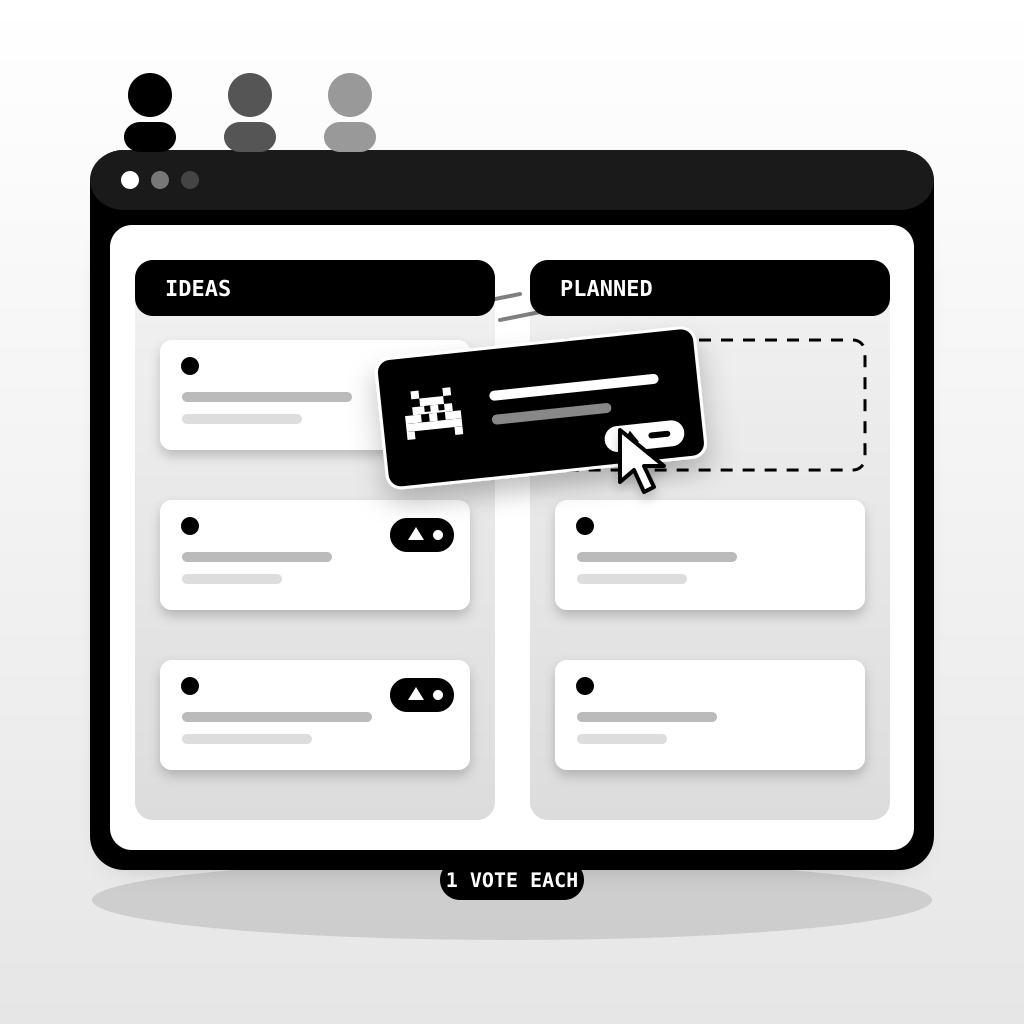
We do not have a roadmap document that lives in someone's head. We have the board. If a card is in Planned, it has a vote count and it is queued. If it is in Building, someone is actively writing it and you can read the comments they leave. If it is in Shipped, there is a build link. That is the entire system, and it works at our size because there are only a few of us.
You also get to see the misses. When a voted-in idea turns out to be a bad call, the card does not quietly disappear. It gets a note saying we tried it and it made the game worse, and it stays visible so the next person pitching something knows what we learned. That is the survival guide nobody writes down, and it is right there in the open column.
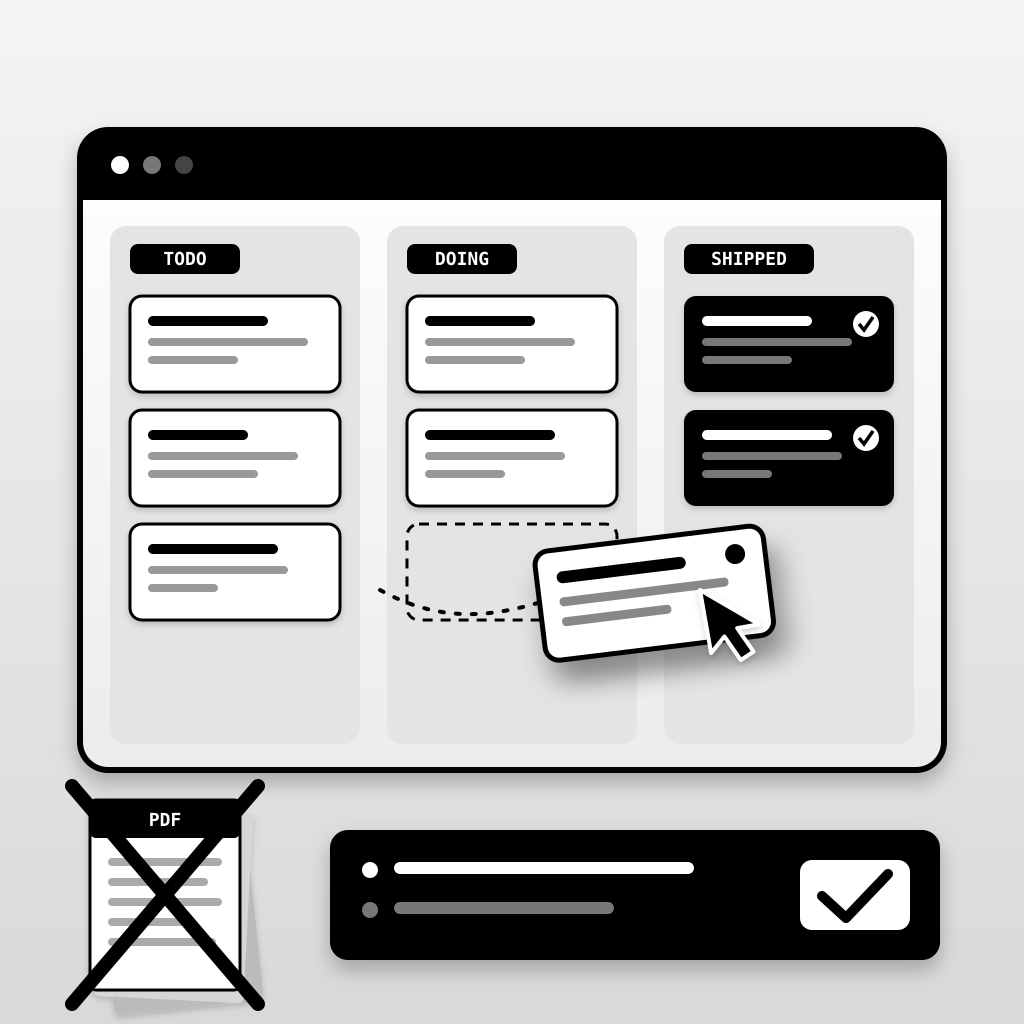
This matters if you are a dev student. There are entire PDFs sold as an indie game development survival guide that tell you to plan carefully and ship. Our version is messier. We plan nothing we cannot drag across a column, and we ship when the card moves. Watch the board for a week and you will learn more about sprinting with three people than most courses will teach you in a semester.
The voting part is what makes it yours. A browser shooter with no install and no credit card is nice, but the actual hook is that the thing you complained about today can be a card tomorrow and a shipped fix by Friday. You are not filing a ticket into a void. You are voting on what the next commit touches.
The spawn rule itself, in plain language
The rule is simple to say and annoying to get right. When a match starts, the game picks spawn points that are far enough from live enemies that you have a beat to orient yourself. If it cannot find a safe point, it waits rather than dropping you in. If it waits too long, it uses the least bad option and warns you. That is the whole design.
The first version failed because the radius was measured to the nearest enemy instead of the nearest line of sight. Players were spawning around corners from someone who could see them but was technically far away. You reported it, it got voted up, and it became a card. That card is the one you are watching on the board now.
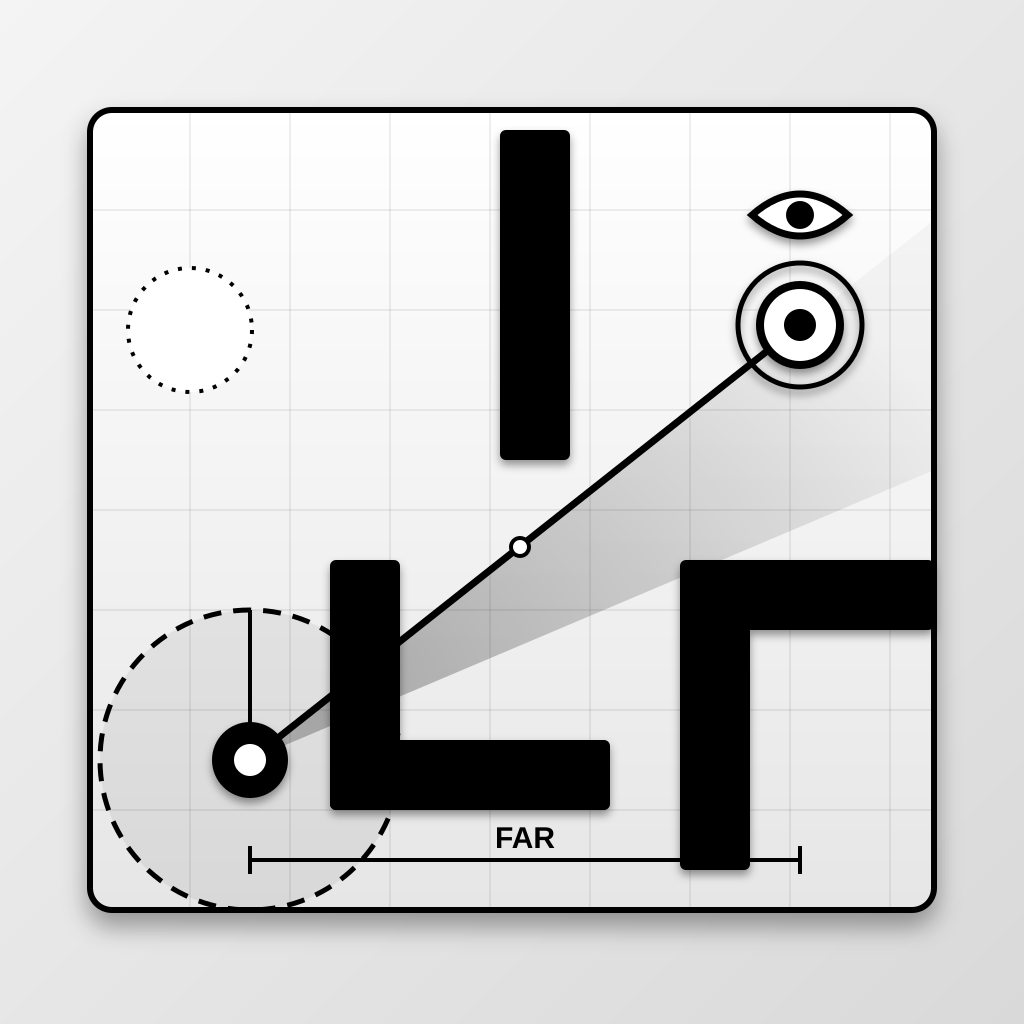
The fix took a few passes. We added a check for whether an enemy could actually see the spawn point, then capped how long the game would wait before forcing a spawn so matches did not stall. We broke it twice. Once the wait cap was too low and the game dropped people into fights anyway. Once the safe check was too strict and rooms felt empty for the first few seconds.
You can load the current build free in your browser and feel the difference, and that is the point. This is not a presentation about spawn rules. It is a thing you play, and the board is how you find out what changed and why. If you have played other best free online fps browser games and felt like the first ten seconds never made sense, this is the part we cared enough to fix.
We did not have to explain this in a patch note because the card explains it. If you want the long version, the card comments have the commits and the numbers. If you want the short version, you get dropped in, you get a beat, you look around, you fight. The rule protects the first second, and the board shows the work behind it.
What this means if you want to learn to build
If you are a student watching the board, you are getting a free look at the day to day. You will see a card sit in Building for three days because one of us had exams. That is real. You will see a fix take 90 minutes because the bug was obvious once we found it, and you will see another take a week because two systems disagreed. Real numbers, real slowness.

You will also see what getting it wrong looks like. We post the reverts with timestamps. When a spawn change made matches feel slower, the card moved back and the note said so. Nobody on the board is pretending the path was clean. If you are building your first browser shooter and wondering why yours feels wrong, check whether the last three cards on our board sound like your bugs. They probably do.
There is a practical reason this matters for what is indie game dev, too. Most people think indie dev is a lone genius and a big launch. For us it is a group chat, a Trello board, a free browser build, and a set of votes that decide the order. The board is the honest artifact. The game is the result. Everything else is marketing.
You can start watching now without installing anything. That is the actual offer. You can also play, in the same browser you already have open, and see if the spawn rule feels like it works for you. That is the loop we are trying to build for the people playing the best online games no download multiplayer style games want. We did not invent it, we just made it public.
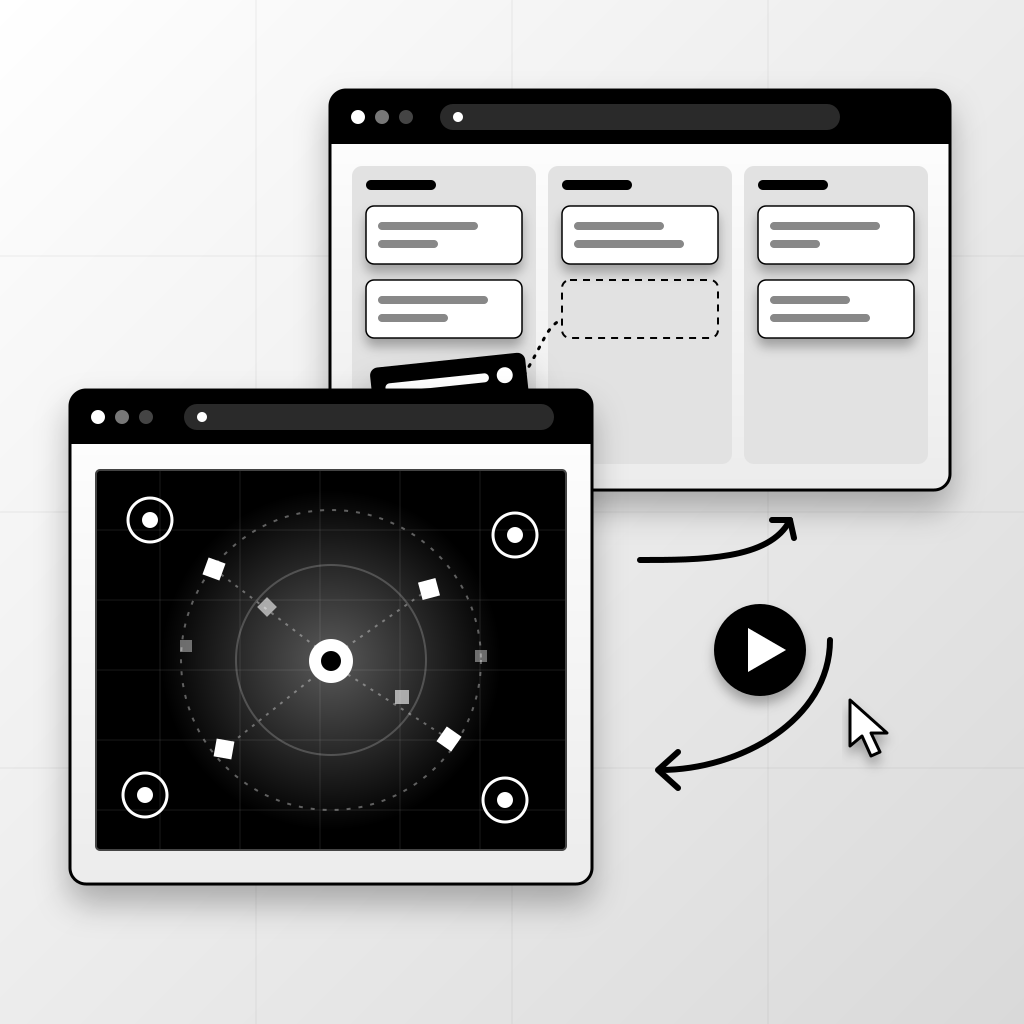
If you want to do more than watch, pitch something. One vote per idea, top ideas move. You do not need to be on the team to shape what we build next. That is not a slogan on our board. It is the column structure.