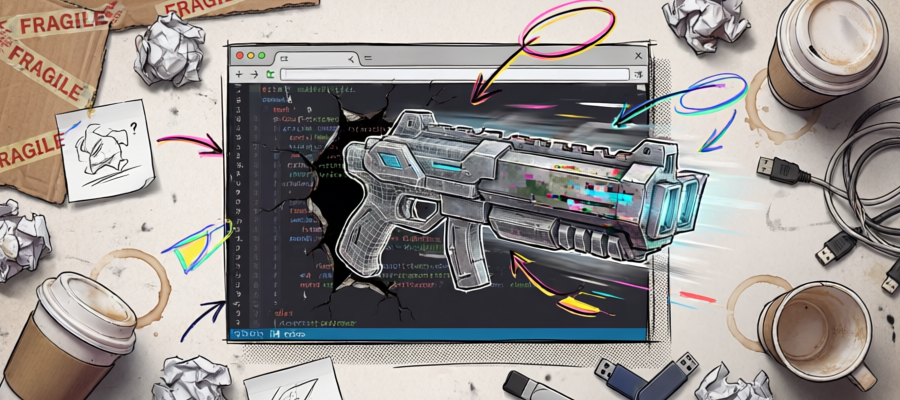
What is a browser game, really? And why is The Agency different?
A browser game runs in your web browser without downloads or installations. You click a link, it loads, and you're playing. For decades this meant low-res, simple mechanics, think Flash games from the 2000s. But web tech has changed. Modern browser games use WebGL, WebSockets, and cloud servers to deliver experiences that rival installed titles. The Agency is a browser game: a free-to-play shooter with multiplayer rooms, a 24-mission campaign, RUSH wave survival, a DOMINION RTS mode, a 3D Loadout Lab, and even a preserved 2020 build called Classic. All of it runs in your browser with no install and no credit card.
What sets The Agency apart is that it's not just a game, it's a community-driven project. We're a small student-run studio out of Tunisia, and we built The Agency from scratch with the idea that players should shape the game they play. That philosophy extends to every part of the experience, including how weapons are made. Instead of relying on a closed-door design team, we open the floor to anyone: describe your dream weapon, paste it in the idea board, and if enough people upvote it, we build it. Next week. That's the core of what we're doing, a living game that evolves by its community's voice.
For someone new to browser games, The Agency might feel like a cheat code. You jump into a lobby, pick a loadout, and start shooting without waiting for progress bars or install wizards. The 3D Loadout Lab lets you inspect every attachment and skin in real time. And because the game is multiplayer, you'll see other players using weapons that started as ideas just like yours. This isn't a tech demo; it's a full-featured shooter that proves browser games can be serious contenders.
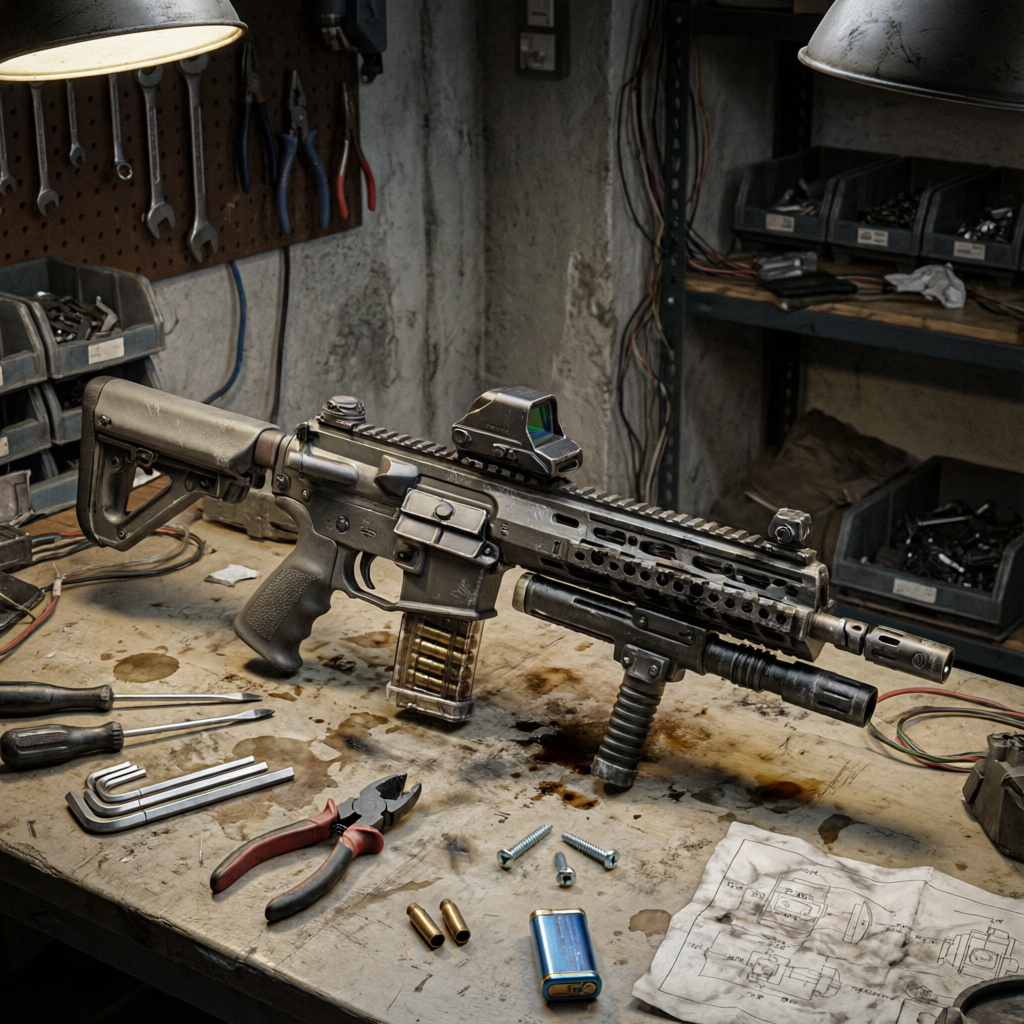
Understanding what is a browser game helps you appreciate the technical trick behind The Agency. Every match you play runs on code that anyone can influence. The weapons, the modes, the balance, they're all up for grabs through our voting system. You're not just playing a game; you're co-creating one. And that's a pretty wild thing to do in a browser tab.
Indie game development cost: how a student team gets it done for next to nothing
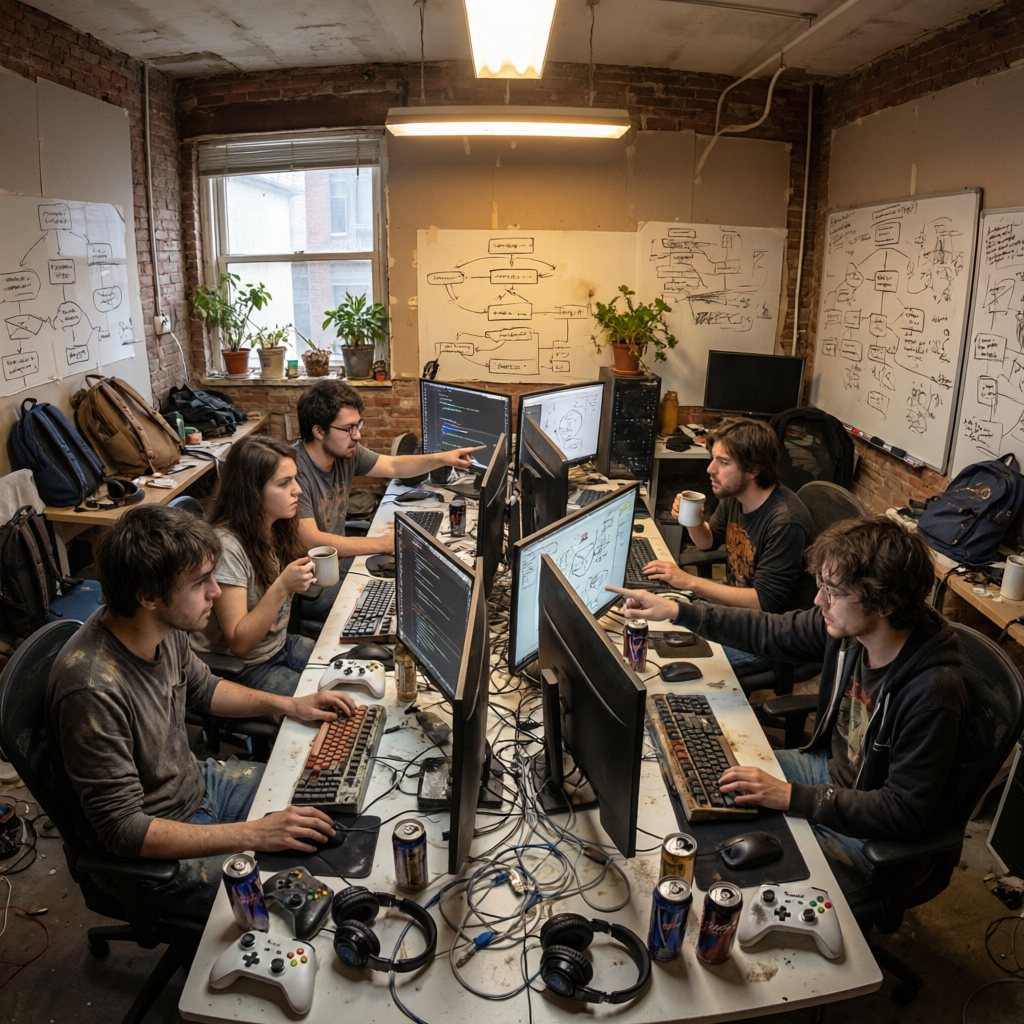
When you hear indie game development cost, you might imagine six-figure budgets and years of crunch. But The Agency was built by a handful of students in Tunisia with minimal funding and a lot of late nights. Our studio, Inferna Studio, sidesteps traditional costs by using free engines, open-source tools, and a remote team that works between classes. The real investment isn't money, it's time and passion. We've learned that indie game development cost can be very low if you're smart about scope and community involvement.
How did we keep costs low? First, we built The Agency as a browser game, which eliminates distribution fees, platform royalties, and packaging. Second, we use free hosting and a lean server architecture. Third, and most important, we outsource design decisions to the community. When you pitch a weapon idea and we ship it next week, you're essentially doing free game design work. That might sound cynical, but it's actually empowering: you get exactly what you want, and we don't have to hire a full-time designer to guess what players want.
This model flips the typical indie game development cost equation. Instead of spending money on market research, focus groups, or iteration cycles, we spend it on coding and art. And even those costs are offset by our small, motivated team. We're not paying salaries; we're building a portfolio and a game we believe in. The trade-off is speed: when an idea gets upvoted, we jump on it immediately. That's how a weapon idea can go from a forum post to a playable in-game item in seven days.
The lesson for anyone wondering how to start indie game development is simple: don't wait for funding. Start with what you have. Use free tools, build a small prototype, and involve your players early. The Agency's weapon-pitch system is a direct result of that philosophy. We'd rather spend our coding time on ideas the community actually wants than on speculative features. That's how you beat the indie game development cost trap, by making your players your partners.
How to start indie game development: lessons from a live, breathing browser game
If you're wondering how to start indie game development, look at The Agency's weapon-voting system. It's not just a feature; it's a development philosophy. We didn't start with a big plan or a publisher deal. We started with a simple browser shooter and a promise: anyone can shape the game. That promise became the engine of our development. Every week, we scan the idea board, count votes, and pick the top weapon concept to build. Then we code it, texture it, balance it, and deploy it, all before the next weekend.
How did we learn to ship that fast? By failing. Early on, we tried to build everything ourselves and hide development behind closed doors. That led to wasted features, burnout, and a game that didn't resonate. Then we flipped the script: we opened the door and let players tell us what to build. That shift taught us how to start indie game development the right way, by listening to the people who actually play. The weapon-pitch system was born from that lesson.
For anyone trying to learn indie game development, the takeaway is clear: build for your community, not for your ego. When you let players design weapons, you get wild ideas you'd never think of yourself. Some are overpowered; some are silly; but the community votes filter the best ones. That democratic process keeps development focused and fast. And because we're a browser game, we can push updates instantly, no console certification, no store approval.
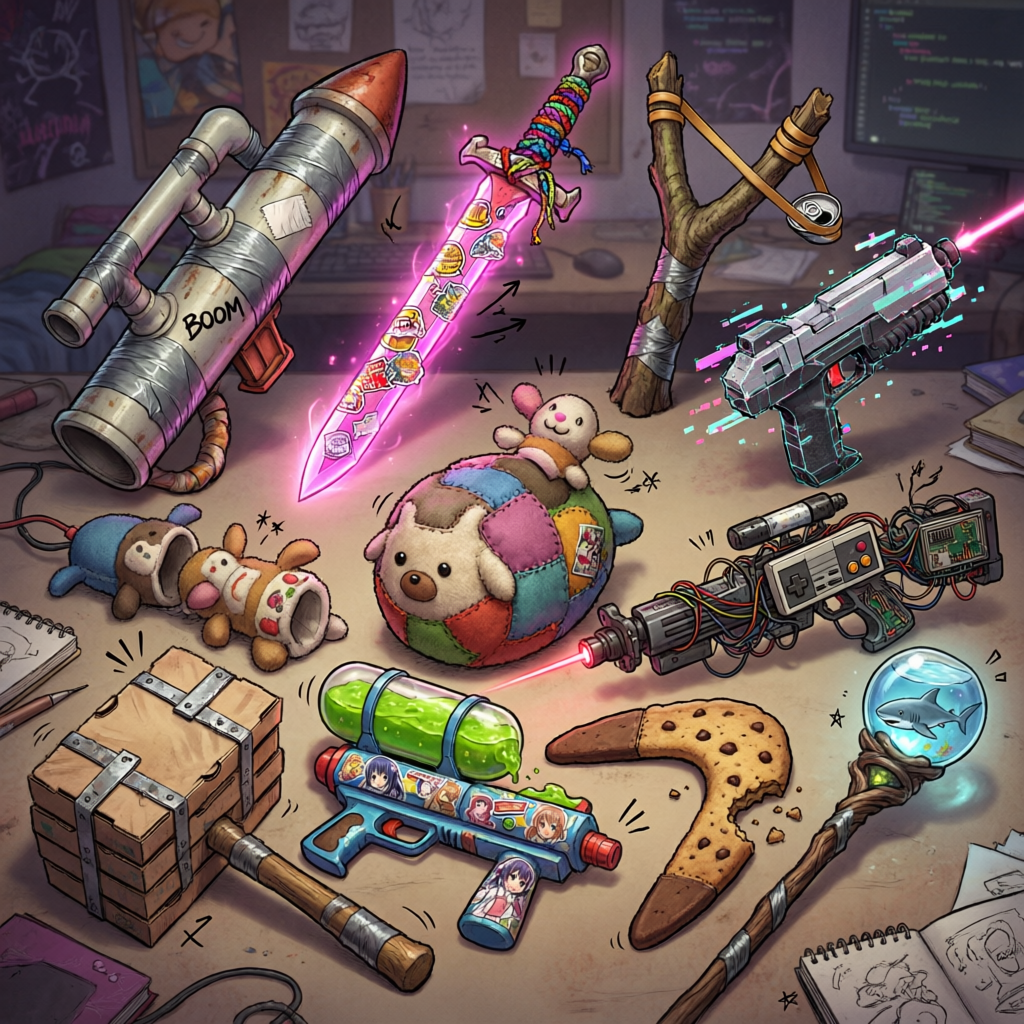
We also learned that transparency builds trust. When a weapon idea ships, we show the process: concept art, code snippets, balance changes. Players see their idea become reality. That trust is what keeps the community engaged and submitting more ideas. If you want to know how to start indie game development, start with a small, honest loop. Listen, build, ship, repeat. The Agency's weapon-pitch system is proof that it works, even on a student budget.
How to learn indie game development by participating, not just playing
Most guides on how to learn indie game development focus on coding tutorials and asset packs. But there's another way: join a live, community-driven project like The Agency. When you pitch a weapon idea and see it ship next week, you're participating in real game development. You're learning about balance, player feedback, and the design pipeline, without writing a single line of code. That's a unique education you can't get from a textbook.
How does it work? Post your weapon idea in the idea board. Describe its damage, fire rate, special ability, and visual style. The community upvotes or downvotes. If your idea lands in the top slot, our team builds it and deploys it in the next update. You watch the process via dev logs and patch notes. You see how your original concept morphs into a balanced, functional weapon. That feedback loop teaches you about the constraints every indie faces: time, performance, fairness.
If you're serious about how to learn indie game development, use The Agency as a living classroom. Study the weapons that get built versus those that don't. Note the balance changes after release. See how the community reacts to new additions. Over time, you'll internalize the principles of game design, trade-offs, risk vs. Reward, synergy. And when you're ready to make your own game, you'll have firsthand experience of what works and what doesn't.
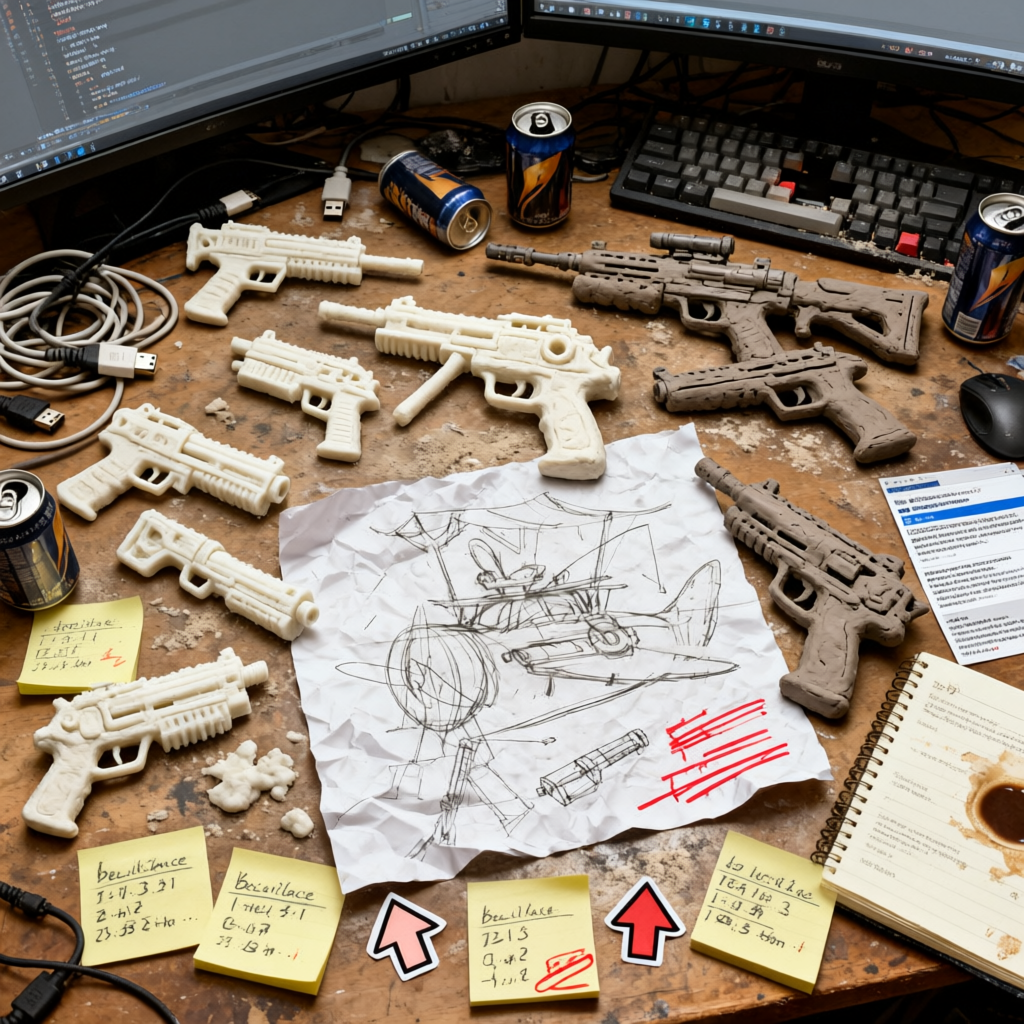
This is what sets The Agency apart from other browser games. It's not just a shooter; it's a collaborative design experiment. You can learn how to fail at indie game development by ignoring your community, we've done that, and it hurts. Or you can learn how to succeed by embracing player input. The weapon-pitch system is our invitation to you: drop an idea, watch it ship, and level up your game design instincts in the process.
How to fail at indie game development (and how voting prevents it)
We've made plenty of mistakes, and we're not shy about them. That's why we talk about how to fail at indie game development, so you can avoid our pitfalls. The fastest way to fail is to build features nobody asked for. Early in The Agency's life, we spent weeks on a complex economy system that players ignored because they just wanted more guns. We learned the hard way: if you don't involve players, you build in a vacuum. The weapon-pitch system was born from that failure.
Another classic failure point is scope creep. Indie teams often dream too big and ship too late. We sidestep that by letting the community set the priority. When a weapon idea gets upvoted, we know exactly what to build next. No dithering over what's more important. The vote is the roadmap. That constraint keeps our scope tight and our delivery fast. If you want to understand how to fail at indie game development, just ignore your players' signals and build what you think is cool, we promise it won't end well.
Even with voting, failures happen. A weapon that sounds interesting on paper can be broken in practice. That's okay. We patch it, learn, and move on. The key is that the community owns the outcome too, they voted for it, so they're invested in making it work. That shared ownership turns failures into learning moments instead of disasters.
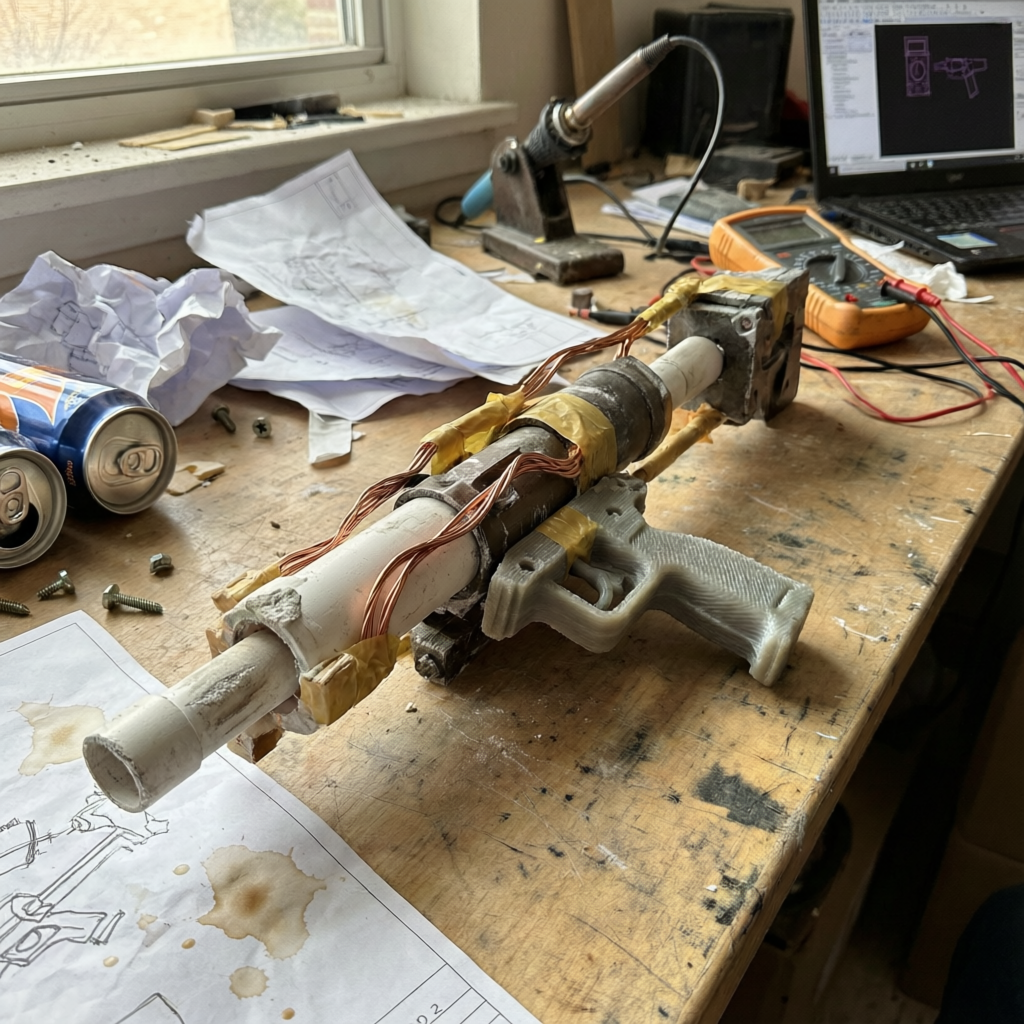
So if you're trying to figure out how to get into indie game development, start by learning from others' failures. Play a game like The Agency that makes its design process public. Watch what works and what flops. And when you're ready, throw your own weapon idea into the ring. You'll see firsthand how a small team turns a player's dream into a shipped feature, and you'll know exactly how to avoid the mistakes that sink most indie projects.
How to get into indie game development: start with a vote, not a degree
The traditional path to indie game development involves degrees, portfolios, and years of practice. But there's a faster on-ramp: participate in a community-driven game. The Agency's idea board is a zero-barrier entry point for anyone who wants to get into indie game development. You don't need to code, draw, or have any experience. You just need an idea and a few sentences to describe it. That's it.
How to get into indie game development? Start by pitching a weapon. You'll learn the constraints, it has to fit the game's tone, performance budget, and balance. You'll see how the development team interprets your concept. You'll watch it go through deployment and patch notes. That process is more valuable than a hundred tutorials because it's real. You're not making a hypothetical game; you're influencing a live product with hundreds of active players.
Once you see your weapon in action, you'll understand the weight of design decisions. Why does this weapon have a slower fire rate? Why that specific damage number? The community feedback after shipping will teach you about balance and iteration. That's knowledge you can carry into your own projects. And because The Agency is a browser game, it's all accessible from any device, you can check your weapon's performance from your phone during a coffee break.
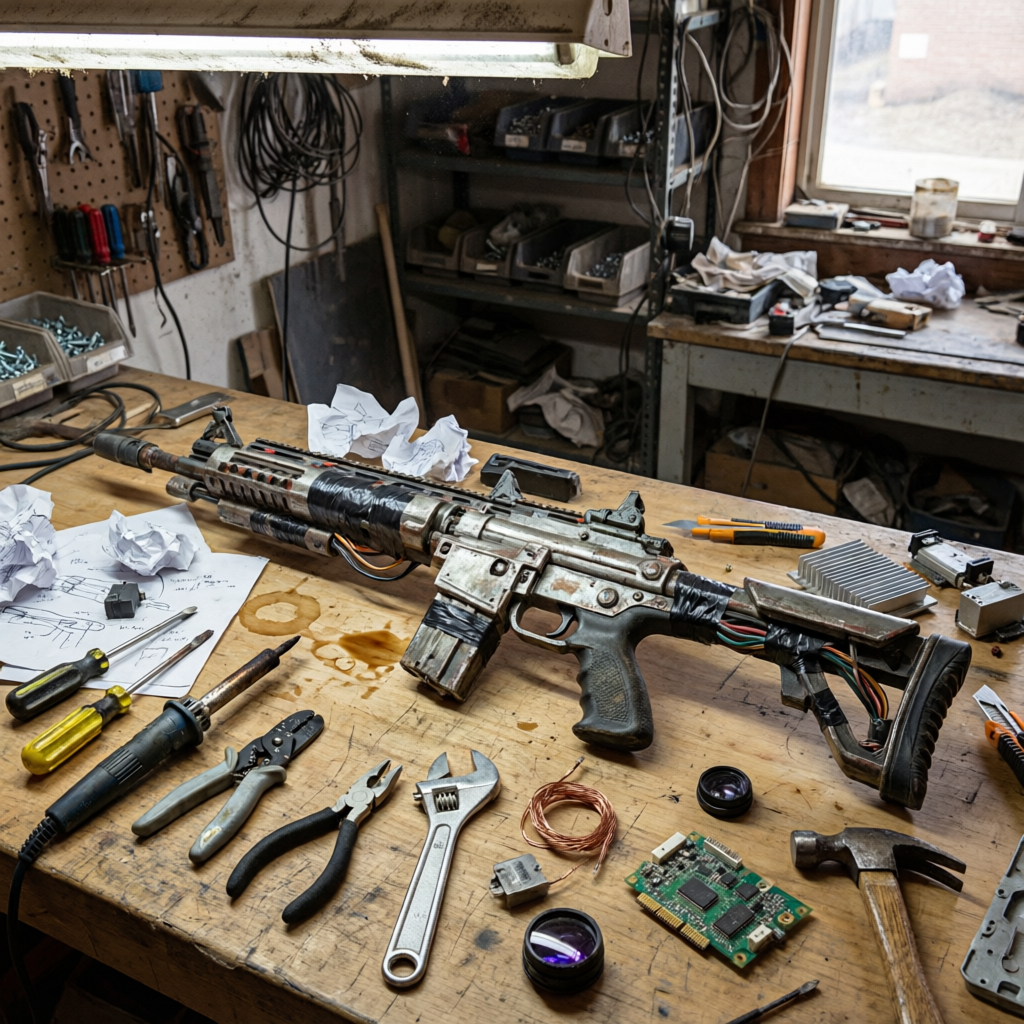
We built The Agency for players who want more than just a game. We built it for people who want to make games. The weapon-pitch system is our invitation to jump into the deep end. So go ahead: think of something wild, drop it in the board, and see if the community agrees. If it ships, you'll have a live, playable portfolio piece. That's how to get into indie game development without spending a cent on courses or tools. Just a browser, an idea, and one vote.