The vote that broke everything
Last Wednesday at 3 PM, we opened a vote for the next weapon in The Agency. Usually, votes get a few hundred responses over a week. This time, something clicked. Within 10 minutes, over 2,000 players had cast their vote. The server started choking. Then it died completely.
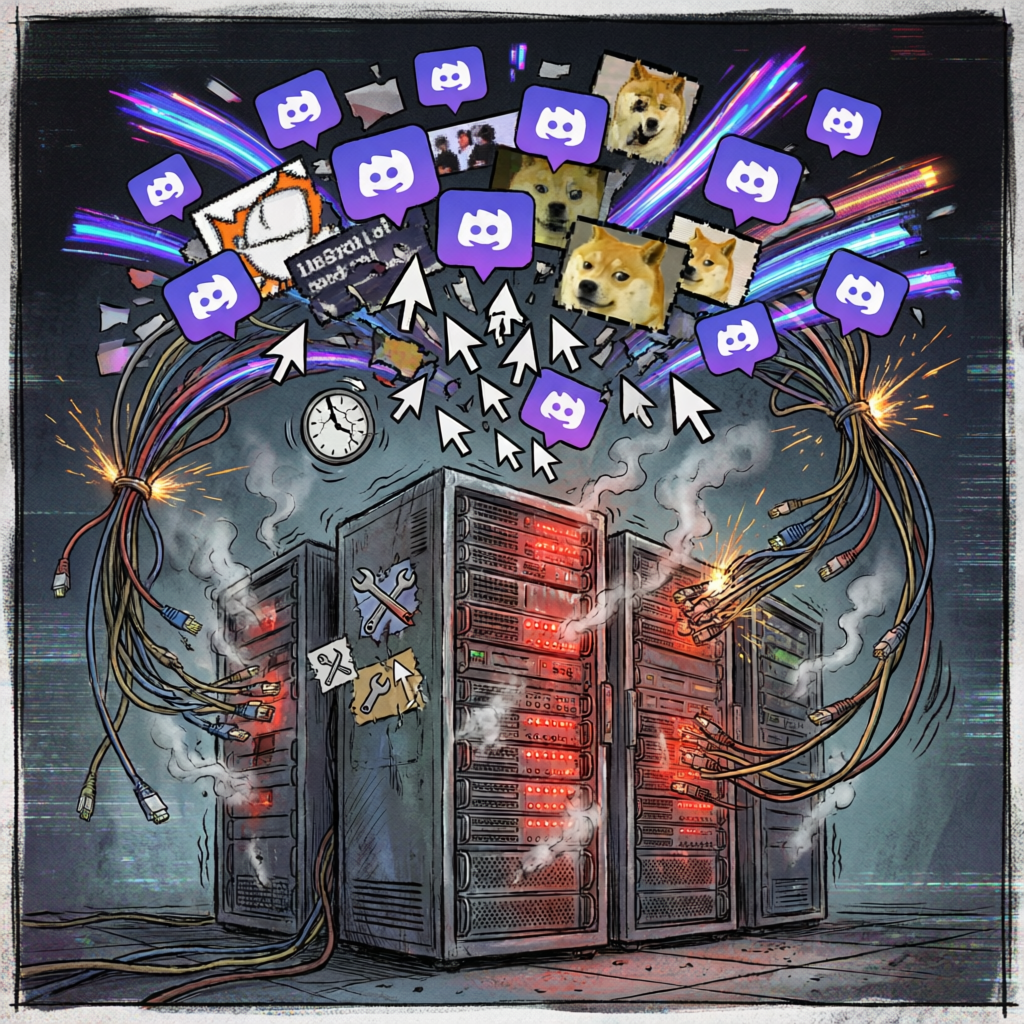
We watched the dashboard spike and flatline. Our free server stack wasn't designed for that kind of burst. The game was still up for players already in matches, but the vote page and lobby refresh went dark. We could hear the Discord pings from across the room.

That moment was terrifying. You think you're ready for success until success shows up and your database falls over. We had to make a choice: scramble for a hotfix or let the vote finish offline. We chose the hotfix.
We put up a simple status message on the vote page: "We know. We're fixing it." Then we pulled the logs and started patching. No corporate playbook. Just three students staring at error codes and guessing what broke.
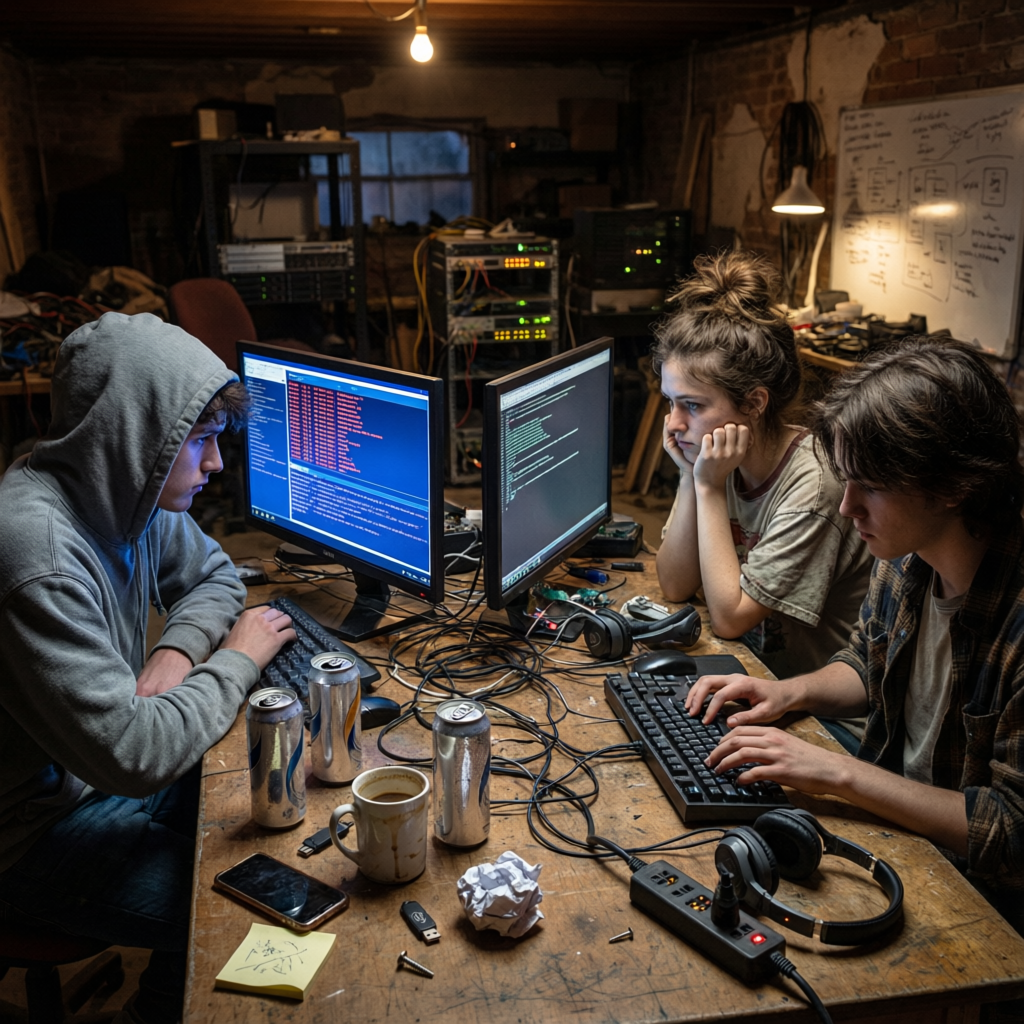
The crash wasn't a total loss. It showed us exactly where our bottleneck was—a single write-heavy query that couldn't handle concurrent inserts. We'd never seen that many concurrent inserts before.
Four hours of panic and bandaids
We started at 3:15 PM with a group chat and a shared terminal. The first fix was obvious: add a write queue so the database wouldn't take all the hits at once. We wrote it in 45 minutes, tested it on a local copy, and pushed it live. The server came back up at 3:58 PM.
But the queued writes backed up faster than we could process them. By 4:20 PM, the server was crawling again. Players were reporting that their votes weren't showing up. We rolled back the queue and tried a different approach: split the vote table into smaller shards by weapon category.
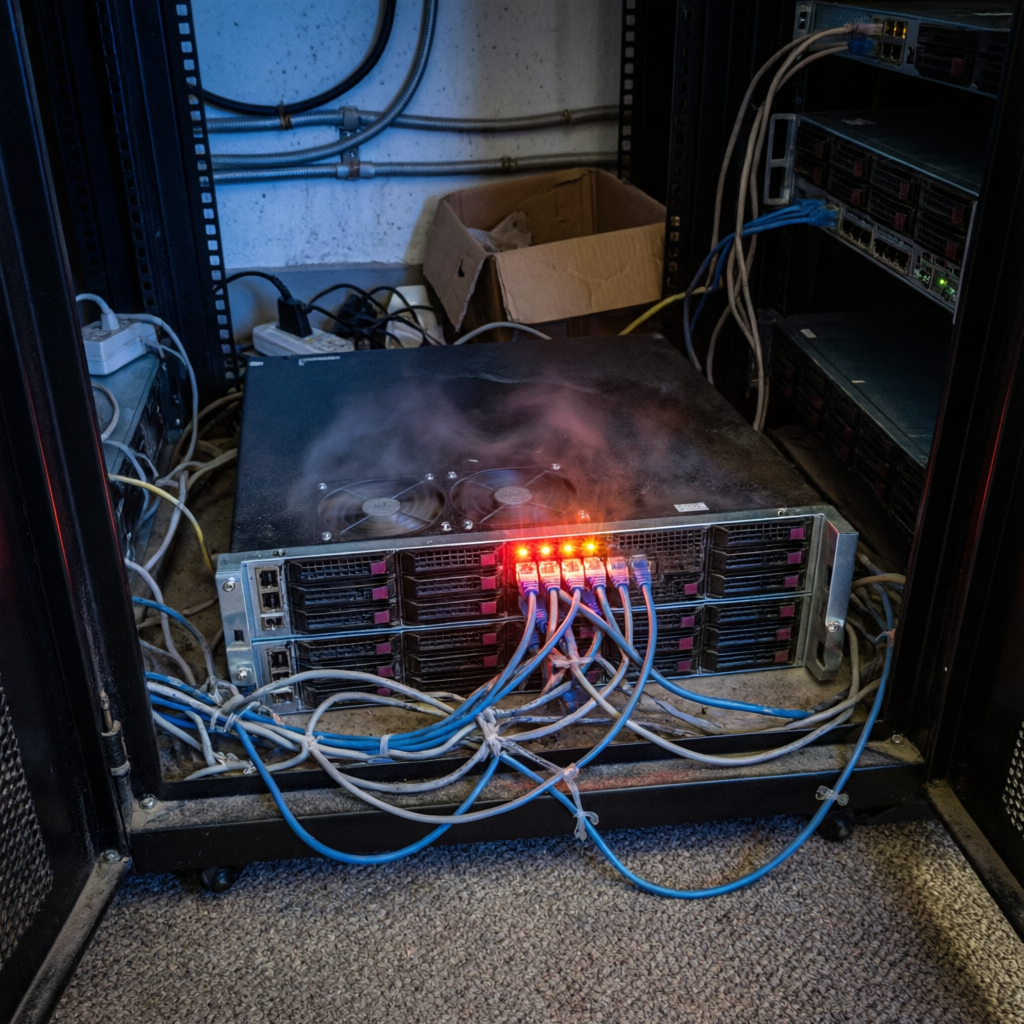
That worked for about an hour. Then at 5:45 PM, the sharding logic itself started failing—we'd misconfigured the key distribution. Votes for one particular weapon were still overwhelming a single shard. We had to manually rebalance the shards while the server was live.
By 6:55 PM, everything was stable. The vote page loaded in under a second. All 2,047 votes were counted correctly. We posted a full breakdown on Discord: what broke, how we fixed it, and what we'd do differently next time. No spin. Just the truth.
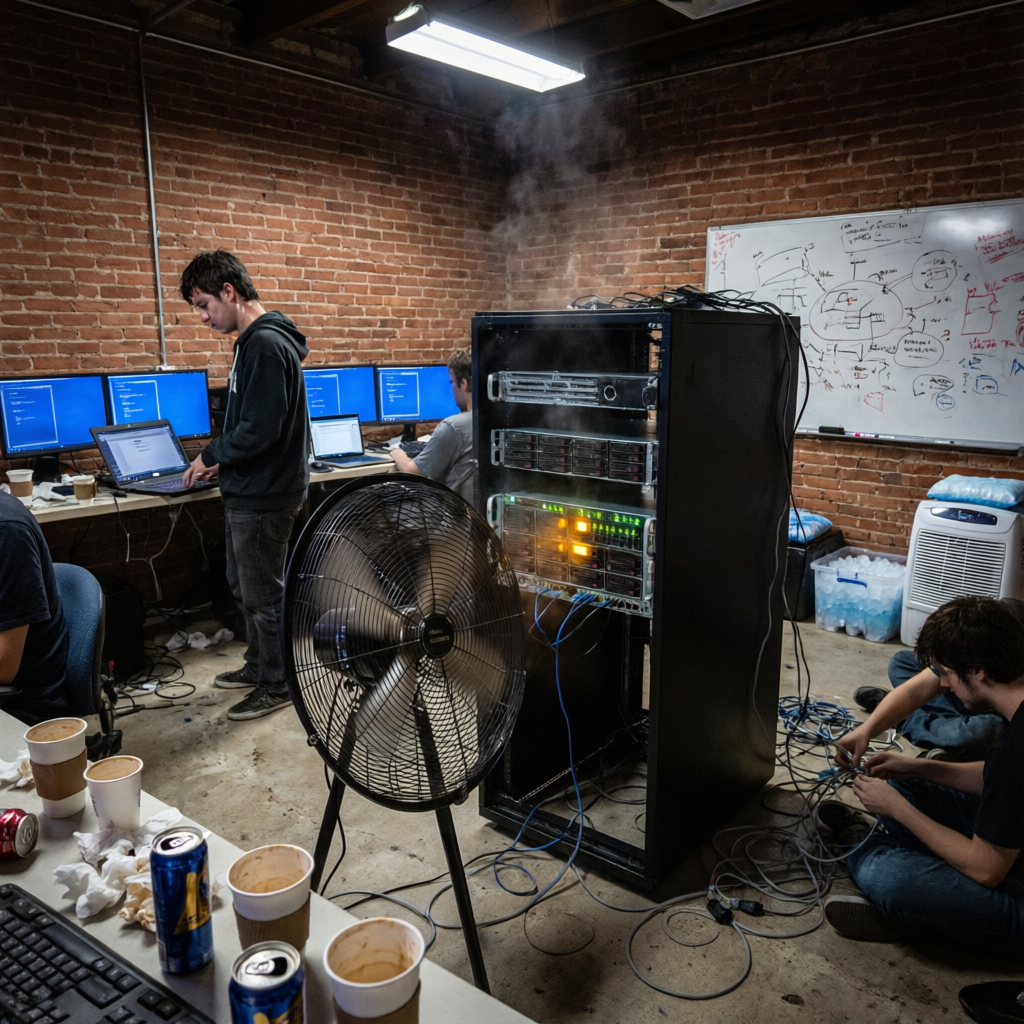
That 4-hour window taught us more about server architecture than a semester of classes. We learned that our cheap hosting plan has limits, but also that we can work fast when we have to. We also learned that players appreciate transparency—nobody got mad because we told them exactly what was happening.
What the crash taught us about building with you
The vote system was designed to be simple: one player, one vote, one row in a table. We never expected 2,000 votes in 10 minutes. That's the thing about building with a community—you don't control the pace anymore. Your players decide when to go viral.
We could have capped the vote at 500 and avoided the crash. But that would have broken the promise: every player's vote counts equally. Instead, we decided to build a system that can handle any burst. We spent the next weekend rewriting the voting backend with Redis caching and async processing.

Now, when the next weapon vote goes live, the server won't flinch. We also added a live vote counter that updates in real time. You can watch the numbers climb without worrying about the game going down. That's direct feedback turned into real engineering.
The crash also confirmed our belief that the idea board works. Players didn't just vote—they campaigned in Discord, made memes, and dragged friends to the site. That kind of organic energy is why we keep the vote system open. Even if it breaks things sometimes.
We're not going to hide the crash. It's part of our story now. When the new weapon ships next week, you'll see a little easter egg in the patch notes: "The server survived the vote." Because it did. Barely.